

Operation Process and Working Principle of Coal Gangue Material Pneumatic Conveying Lines
The operation process and working principle of coal gangue material pneumatic conveying lines are crucial for understanding the efficiency and reliability of material handling systems in industrial applications. This article provides a detailed overview, focusing on the technical aspects and operational procedures involved in such systems, while incorporating the essential information about the company, HeadPowder, based in Shandong, China.
Company Profile: HeadPowder Engineering
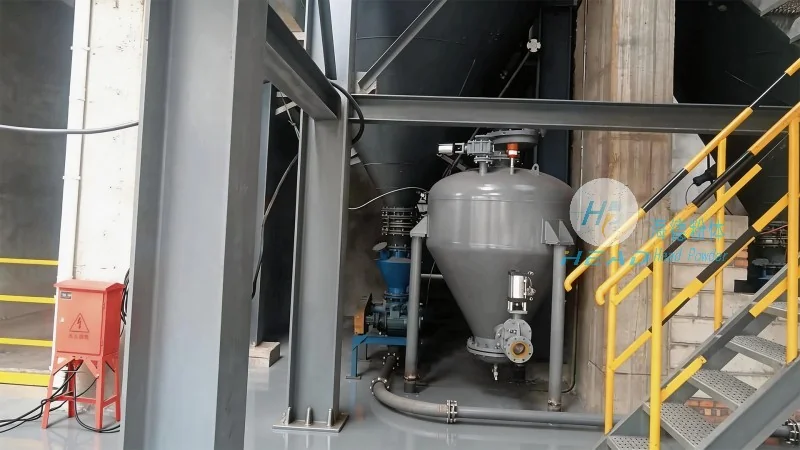
HeadPowder, a leading engineering company based in Shandong, China, specializes in the design, manufacturing, and installation of advanced material handling solutions. With a strong commitment to innovation and quality, HeadPowder has established itself as a trusted partner in the industry, providing comprehensive services tailored to the needs of various sectors, including mining, power generation, and construction. The company's headquarters is located in Shandong, China, where it leverages local expertise and resources to deliver high-quality products and services to clients worldwide.
Overview of Coal Gangue Pneumatic Conveying Systems
Pneumatic conveying systems are widely used for transporting bulk materials like coal gangue, which are often characterized by their abrasive and heavy nature. These systems offer several advantages over traditional mechanical conveying methods, such as reduced maintenance costs, lower energy consumption, and the ability to handle materials in a dust-free environment. The design of a coal gangue pneumatic conveying line is tailored to the specific characteristics of the material, including its particle size, density, and moisture content, ensuring optimal performance and longevity.
The Operation Process of a Coal Gangue Pneumatic Conveying Line
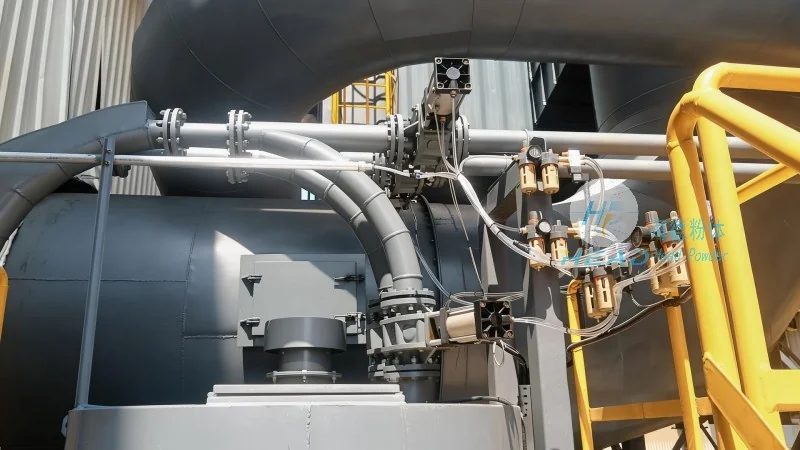
The operation of a coal gangue pneumatic conveying line typically involves several key stages. The first stage is material loading, where the coal gangue is fed into the hopper from a storage silo or conveyor. The hopper is equipped with a feeder, such as a rotary valve or a screw feeder, which controls the flow rate of the material into the conveying line. The material then enters the pipeline, where it is transported by the air flow generated by a fan or blower. The fan is typically located at the inlet of the pipeline, creating a pressure differential that moves the material forward. The conveying line may include bends, expansions, and reductions, which are designed to minimize pressure loss and ensure smooth material transport.
Working Principle of Pneumatic Conveying for Coal Gangue
The working principle of a pneumatic conveying system for coal gangue is based on the principles of fluid dynamics and air movement. The system utilizes compressed air or a vacuum to transport the material. In positive pressure systems, air is blown through the pipeline, carrying the material particles forward. The air velocity is carefully controlled to ensure that the material particles are fully entrained and do not settle out of the air stream. In negative pressure systems, a vacuum is created at the discharge end, drawing the material into the pipeline. The pressure differential between the inlet and the outlet drives the material through the system. The choice between positive and negative pressure depends on factors such as the distance to be covered, the material characteristics, and the desired flow rate.
Key Components and Their Functions
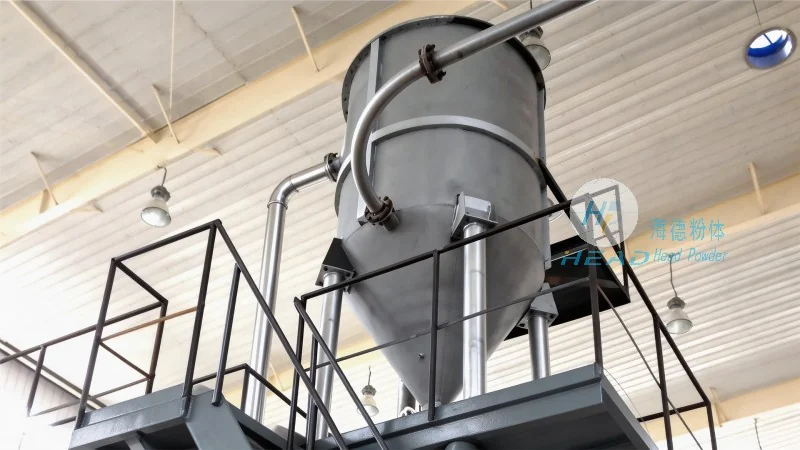
A coal gangue pneumatic conveying line consists of several key components, each playing a critical role in the overall operation. The main components include the hopper, feeder, fan or blower, pipeline system, and control valves. The hopper serves as a storage and feeding device, providing a consistent flow of material to the system. The feeder controls the rate at which material is introduced into the pipeline, preventing overloading and ensuring stable operation. The fan or blower generates the necessary air pressure or vacuum to move the material. The pipeline system is designed to withstand the pressure and temperature conditions of the conveying process, with appropriate materials and connections to prevent leaks and material buildup. Control valves are used to regulate the flow of air and material, allowing for adjustments to the system's performance based on operational needs.
Maintenance and Operational Considerations
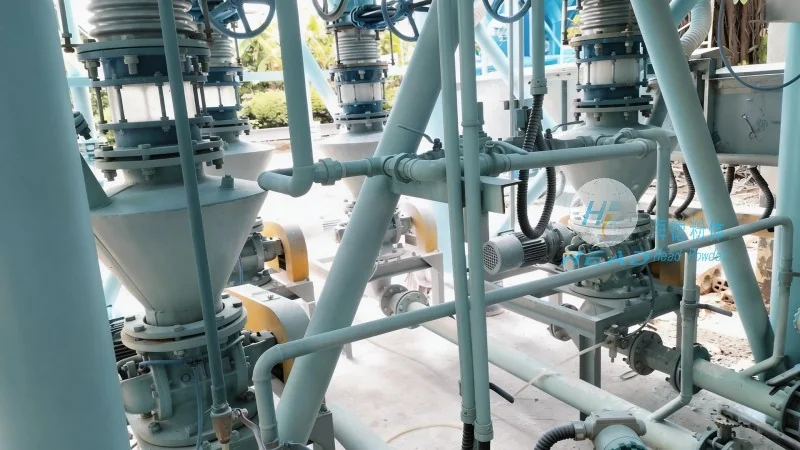
Proper maintenance is essential to ensure the long-term reliability and efficiency of a coal gangue pneumatic conveying line. Regular inspections of the fan, feeder, and pipeline are necessary to detect and address any issues before they become major problems. The system should be cleaned regularly to prevent material buildup and clogging, which can reduce performance and increase energy consumption. Additionally, the air filter and oil-lubricated components of the fan should be maintained to ensure optimal operation and prevent wear and tear. Operational considerations include monitoring the pressure and flow rates, adjusting the feeder speed as needed, and ensuring that the system is operated within its design parameters to avoid damage to components.
Applications and Benefits
Coal gangue pneumatic conveying systems are widely used in various industrial applications, including power plants, mining operations, and construction sites. The systems are particularly suitable for transporting large quantities of coal gangue over long distances, with minimal human intervention. The benefits of using pneumatic conveying systems for coal gangue include reduced labor costs, improved safety, and lower environmental impact compared to traditional methods. The systems also offer flexibility in terms of layout and integration with other equipment, allowing for customized solutions to meet specific project requirements.