

Operation Process and Working Principle of Sodium Nitrate Material Pneumatic Conveying Line
For industrial applications involving the handling of sodium nitrate, an efficient and reliable material conveying system is essential. The pneumatic conveying line for sodium nitrate, as provided by Shandong HeadPowder Engineering Co., Ltd., represents a sophisticated solution designed to meet the demands of modern material processing. This system combines advanced engineering principles with robust construction to ensure safe and effective transportation of sodium nitrate, a critical chemical often used in fertilizers, explosives, and other industrial applications.
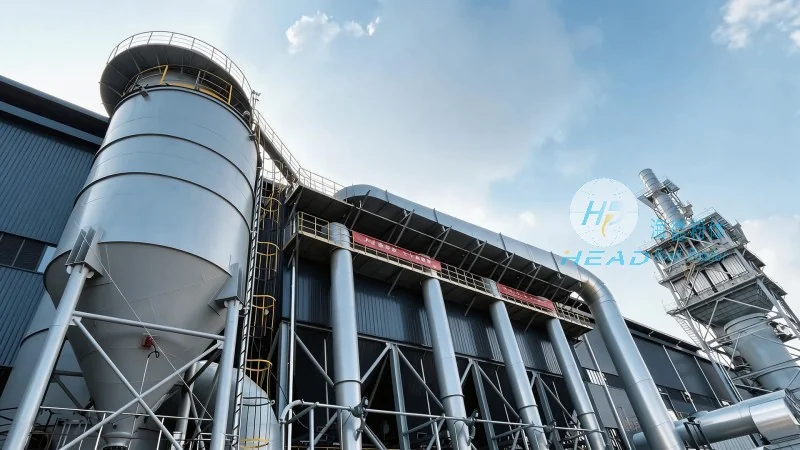
Overview of the Pneumatic Conveying System
The pneumatic conveying system for sodium nitrate operates on the principle of using air or other gas as the conveying medium to transport bulk materials through a pipeline. Unlike traditional mechanical conveying methods, such as screw conveyors or belt conveyors, pneumatic systems offer advantages like minimal material degradation, reduced risk of contamination, and the ability to handle materials with varying particle sizes and moisture content. For sodium nitrate, which can be hygroscopic and sensitive to temperature changes, a well-designed pneumatic system is particularly beneficial in maintaining product quality and integrity throughout the conveying process.
Key Components of the Pneumatic Conveying Line
The pneumatic conveying system for sodium nitrate typically consists of several key components that work in concert to achieve efficient material transport. These components include the material feed hopper, the air compressor or blower, the conveying pipeline, the control system, and the discharge hopper. Each component plays a crucial role in the overall operation of the system.
The material feed hopper is responsible for storing and feeding the sodium nitrate into the conveying line. It is designed to handle bulk quantities of the material and ensure a consistent flow rate. The hopper may include features such as a level indicator and a discharge valve to control the amount of material entering the system. For sodium nitrate, which can be prone to caking or bridging, the hopper is often equipped with agitators or vibrators to prevent material buildup and ensure smooth feeding.
The air compressor or blower is the heart of the pneumatic system, providing the necessary pressure and airflow to move the sodium nitrate through the pipeline. The choice of compressor depends on the system's capacity, the distance the material needs to be conveyed, and the required flow rate. For sodium nitrate, which is a relatively light and fine powder, a positive displacement blower or a centrifugal fan may be used, depending on the specific application requirements. The compressor is typically equipped with a filter to remove moisture and particulates from the air, preventing contamination of the sodium nitrate and ensuring the longevity of the system components.
The conveying pipeline is a network of pipes that connects the feed hopper to the discharge hopper. The pipeline is usually made of corrosion-resistant materials such as stainless steel or polyethylene to withstand the chemical properties of sodium nitrate and prevent material degradation or leakage. The pipeline may include bends, elbows, and expansion joints to accommodate changes in direction and elevation. For sodium nitrate, which can be abrasive, the pipeline is often lined with protective coatings or liners to extend its service life.
The control system is responsible for monitoring and regulating the operation of the pneumatic conveying line. It includes sensors to measure the pressure, flow rate, and temperature of the system, as well as controls to adjust the air pressure and material feed rate. The control system ensures that the conveying process operates within safe and efficient parameters, preventing overloading or underloading of the system. For sodium nitrate, which is a hazardous material in some applications, the control system may include safety features such as pressure relief valves and emergency shut-off mechanisms to protect personnel and equipment.
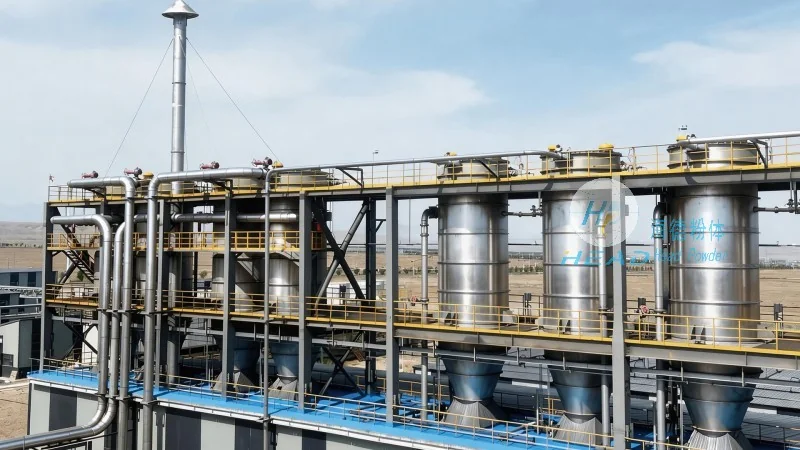
Operation Process of the Pneumatic Conveying Line
The operation of the pneumatic conveying line for sodium nitrate involves several steps that are coordinated by the control system. The process typically begins with the material being fed from the hopper into the pipeline. The air compressor then starts, generating the necessary airflow to transport the sodium nitrate through the pipeline. As the material moves through the pipeline, it is carried by the air stream, which maintains the material in a suspended state. The material is then discharged from the pipeline into the receiving hopper at the end of the line.
During the conveying process, the control system continuously monitors the pressure and flow rate of the system. If the pressure drops or the flow rate changes, the system adjusts the air pressure or material feed rate to maintain optimal operation. The system may also include features such as pulse or intermittent conveying to improve the efficiency of material transport, especially for fine powders like sodium nitrate.
The discharge hopper is designed to collect the conveyed sodium nitrate and transfer it to the next processing stage. It may include a level indicator and a discharge valve to control the amount of material being removed from the system. The hopper is often equipped with a dust collection system to prevent the release of fine particles into the environment, ensuring compliance with environmental regulations.
Working Principle of the Pneumatic Conveying Line
The working principle of the pneumatic conveying line for sodium nitrate is based on the interaction between the material and the air stream. When the air compressor generates airflow, it creates a pressure difference between the inlet and outlet of the pipeline. This pressure difference causes the sodium nitrate to be drawn into the pipeline and carried by the air stream. The material is suspended in the air as it moves through the pipeline, which prevents it from settling or caking.
For sodium nitrate, which is a fine powder with a relatively low bulk density, the pneumatic conveying system is particularly effective. The air stream provides the necessary momentum to move the material through the pipeline, and the pipeline design ensures that the material is conveyed efficiently without excessive pressure drop or energy consumption. The system's design also takes into account the hygroscopic nature of sodium nitrate, ensuring that the material remains dry and free from moisture during the conveying process.
The control system plays a critical role in maintaining the stability of the conveying process. By monitoring the pressure and flow rate, the system can adjust the air pressure or material feed rate to prevent overloading or underloading of the pipeline. This ensures that the material is conveyed at a consistent rate, minimizing the risk of material buildup or blockages in the pipeline.
Advantages of the Pneumatic Conveying Line for Sodium Nitrate
The pneumatic conveying line for sodium nitrate offers several advantages over traditional mechanical conveying methods. One of the primary advantages is the ability to handle fine powders and prevent material degradation. The air stream in the pipeline prevents the sodium nitrate from coming into contact with metal surfaces or other materials that could cause contamination or degradation. This is particularly important for sodium nitrate, which is used in applications where purity and quality are critical, such as in the production of fertilizers or explosives.
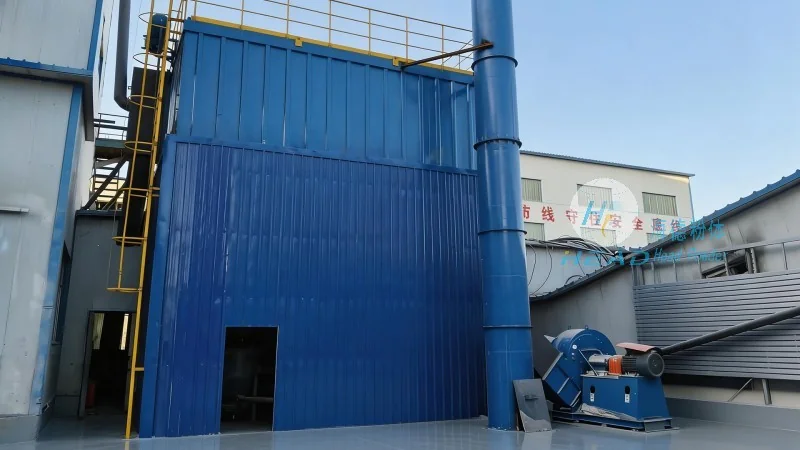
Another advantage of the pneumatic system is its flexibility in terms of layout and installation. The pipeline can be installed in various configurations, including horizontal, vertical, or a combination of both, to accommodate the specific requirements of the industrial facility. This flexibility allows for the optimization of the conveying system to fit the available space and the process flow.
The system also offers advantages in terms of safety and maintenance. The pneumatic conveying line is enclosed, which reduces the risk of dust exposure and contamination. The system is also relatively easy to maintain, with components such as the air compressor and pipeline being accessible for inspection and repair. This reduces downtime and maintenance costs, making the system a cost-effective solution for sodium nitrate handling.
Applications of the Pneumatic Conveying Line
The pneumatic conveying line for sodium nitrate is widely used in various industrial applications. One of the primary applications is in the fertilizer industry, where sodium nitrate is used as a nitrogen source in the production of fertilizers. The system is used to transport sodium nitrate from storage silos to processing facilities, ensuring a continuous and efficient supply of the material.
Another application is in the explosives industry, where sodium nitrate is used as an oxidizer in the production of explosives. The pneumatic conveying system is used to transport sodium nitrate to the manufacturing facilities, ensuring that the material is handled safely and efficiently. The system's ability to handle fine powders and prevent contamination is particularly important in this application, as any contamination could affect the quality and safety of the explosives.
The system is also used in other industries, such as food processing and pharmaceuticals, where sodium nitrate is used as a preservative or flavor enhancer. The pneumatic conveying line ensures that the material is handled in a hygienic and controlled manner, maintaining the quality and safety of the end product.
Conclusion
The pneumatic conveying line for sodium nitrate, as provided by Shandong HeadPowder Engineering Co., Ltd., is a reliable and efficient solution for handling this critical chemical. The system's design and operation are optimized to ensure the safe and effective transportation of sodium nitrate, while maintaining product quality and integrity. With its advantages in terms of material handling, safety, and flexibility, the pneumatic conveying line is an essential component of modern industrial processing facilities.