

Operation Process and Working Principle of Phosphate Powder Material Pneumatic Conveying Machine
Phosphate powder, a critical raw material in the fertilizer and chemical industries, requires efficient and reliable handling solutions to ensure smooth production processes. Pneumatic conveying machines offer an advanced method for transporting such powders, combining the benefits of automation, reduced contamination, and energy efficiency. This article delves into the operation process and working principle of a phosphate powder material pneumatic conveying machine, highlighting its key components, operational flow, and practical applications.
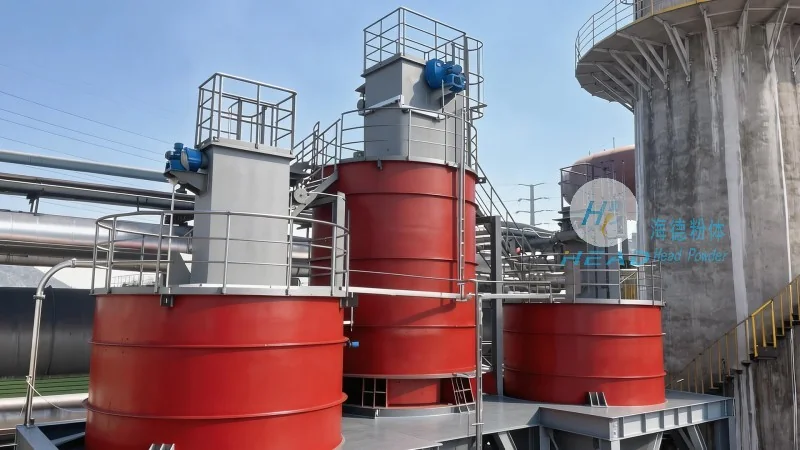
Key Components of the Pneumatic Conveying Machine
The pneumatic conveying system for phosphate powder typically consists of several essential components that work in tandem to achieve effective material transport. The primary elements include a hopper for material storage, a rotary valve or feeder to control the flow of powder, a conveying pipeline, a fan or blower to generate the necessary air pressure, and a receiver or discharge unit for the material. Each component plays a crucial role in maintaining the integrity of the phosphate powder and ensuring consistent performance throughout the conveying process.
Working Principle of the Pneumatic Conveying Machine
The operation of the phosphate powder pneumatic conveying machine is based on the principle of air suspension, where the powder is suspended in a stream of air and transported through the pipeline. The process begins with the material being fed from the hopper into the conveying line via the rotary valve. Simultaneously, the fan or blower generates a high-pressure air flow that enters the pipeline, creating a positive pressure environment. As the air flows through the pipeline, it lifts and carries the phosphate powder particles, maintaining them in a suspended state. The conveying speed and distance are controlled by adjusting the air pressure and flow rate, ensuring that the powder reaches the discharge point without clogging or degradation.
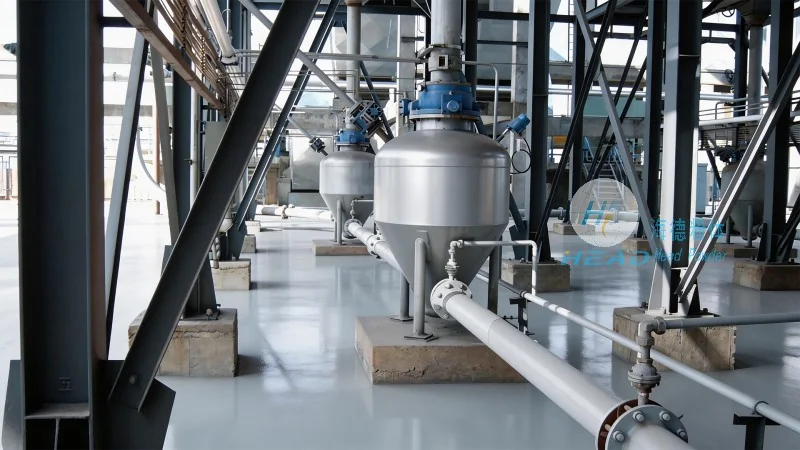
Operation Process of the Pneumatic Conveying Machine
The operation process of the phosphate powder pneumatic conveying machine involves several sequential steps that ensure efficient and safe material transport. First, the hopper is filled with phosphate powder, and the rotary valve is set to the desired feed rate. The fan is then activated to generate the required air pressure. As the powder is fed into the pipeline, it is immediately suspended by the air flow and transported to the receiver. The discharge unit at the end of the pipeline collects the powder, which is then transferred to the next stage of the production process. The system continuously monitors the air pressure and flow rate to maintain optimal performance, with automatic controls adjusting the feed rate if necessary to prevent overloading or under-conveying.
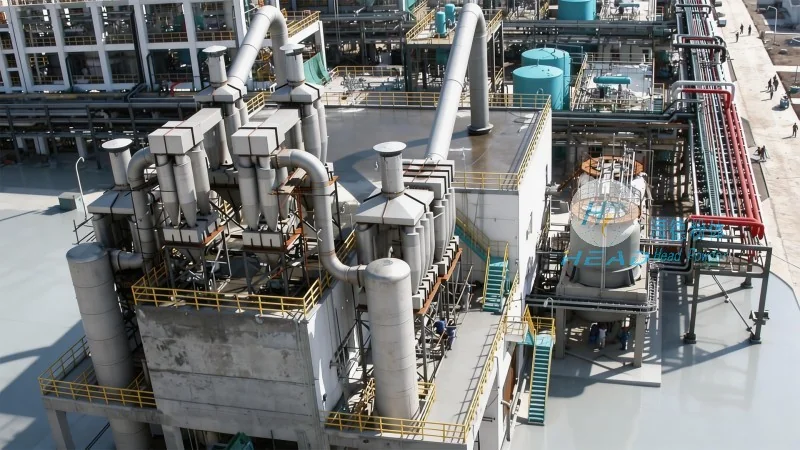
Advantages of Using Pneumatic Conveying for Phosphate Powder
Employing a pneumatic conveying machine for phosphate powder offers several advantages over traditional methods such as belt conveyors or bucket elevators. These benefits include reduced risk of material contamination, as the powder is enclosed within the pipeline, preventing exposure to external elements. Additionally, the system minimizes dust generation, enhancing workplace safety and compliance with environmental regulations. The automated operation of the machine reduces labor costs and improves production efficiency, as it can operate continuously without manual intervention. Furthermore, the flexibility of the pneumatic conveying system allows for easy integration with existing production lines, adapting to varying production demands.
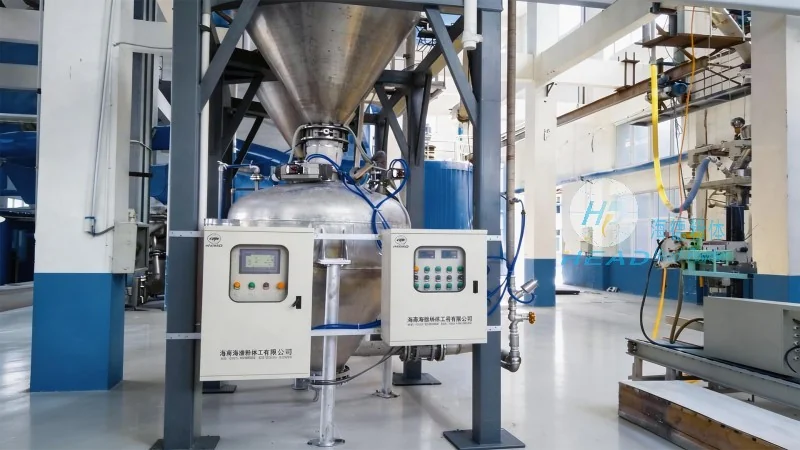
Application Scenarios and Performance Considerations
Pneumatic conveying machines are widely used in various industries dealing with phosphate powder, including fertilizer manufacturing, chemical processing, and food production. The performance of the system depends on several factors, such as the particle size and moisture content of the powder, the conveying distance, and the required flow rate. For example, fine phosphate powders may require higher air pressure and flow rates to ensure effective suspension, while larger particles may need a different pipeline design to prevent blockages. Proper maintenance of the system, including regular cleaning of the pipeline and replacement of worn components, is essential to maintain optimal performance and extend the service life of the equipment.
About Shandong HeadPowder Engineering Co., Ltd.
Shandong HeadPowder Engineering Co., Ltd., a leading manufacturer of pneumatic conveying systems, specializes in providing customized solutions for handling phosphate powder and other fine materials. With years of experience in the industry, the company has developed advanced technologies and robust designs that meet the stringent requirements of modern production facilities. The company's products are engineered to ensure high efficiency, reliability, and durability, with a focus on customer satisfaction and long-term partnerships. HeadPowder's commitment to quality and innovation has made it a trusted name in the field of material handling, serving clients across China and beyond.