

Introduction to Sulfur Pneumatic Conveying Systems: Structure and Working Principles
HeadPowder, a prominent enterprise in the material handling industry, offers specialized solutions for the efficient transport of bulk materials, including sulfur. This article delves into the core components and operational mechanics of sulfur pneumatic conveying systems, providing a clear understanding of how these systems facilitate the movement of sulfur from storage to processing units. The discussion covers both the structural design and the functional principles that enable reliable and safe sulfur transportation in industrial settings.
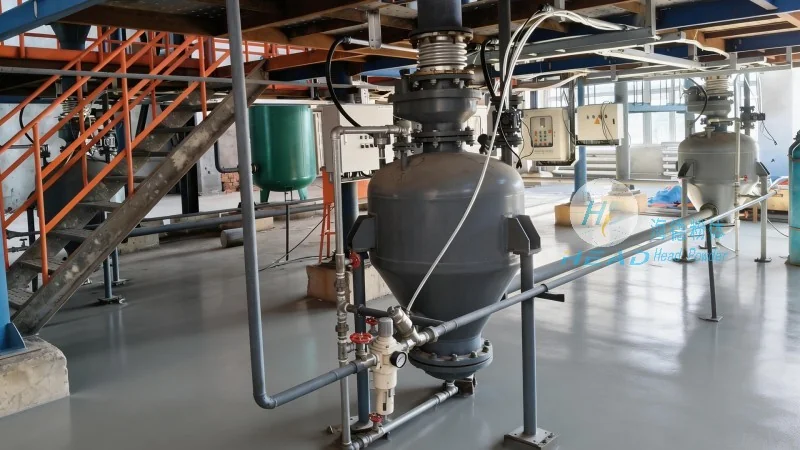
Key Structural Components of Sulfur Pneumatic Conveying Systems
Sulfur pneumatic conveying systems are engineered with several critical components that work in tandem to ensure optimal performance. The primary elements include the material feeder, which is responsible for introducing sulfur into the system at a controlled rate. This component is typically designed to handle the specific flow characteristics of sulfur, such as its density and particle size distribution. The feeder may feature adjustable valves or screw mechanisms to regulate the feed rate, preventing overloading or underfeeding that could disrupt the conveying process.
Next, the conveying pipeline forms the backbone of the system, transporting sulfur particles along the desired path. These pipelines are usually made of corrosion-resistant materials, such as stainless steel or special alloys, to withstand the chemical properties of sulfur and prevent degradation over time. The design of the pipeline, including bends, elbows, and straight sections, is crucial for maintaining consistent air velocity and preventing particle deposition or blockages. Properly sized and configured pipelines ensure that the sulfur travels smoothly without causing system inefficiencies or safety hazards.
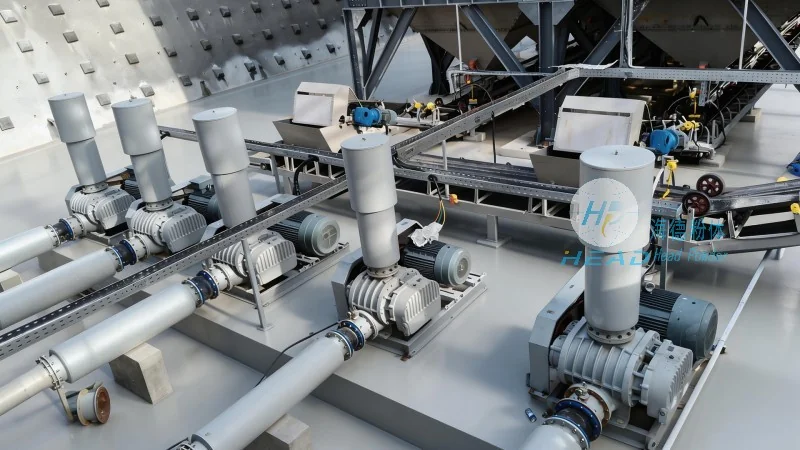
At the receiving end, the air-solid separator is a vital component that separates the sulfur particles from the conveying air. This unit typically consists of a cyclone or a bag filter, which captures the sulfur and returns it to the process while allowing the air to be recirculated or discharged. The separator's efficiency directly impacts the overall system performance, as unseparated particles can lead to material loss or equipment damage. Additionally, the system may include a dust collection system to ensure compliance with environmental regulations and maintain air quality in the workplace.
Working Principles of Sulfur Pneumatic Conveying Systems
The operation of sulfur pneumatic conveying systems relies on the principles of fluid dynamics and particle transport. There are two main types of pneumatic conveying systems: positive pressure and negative pressure (or vacuum) systems. Positive pressure systems use a blower or compressor to generate air pressure that pushes the sulfur particles through the pipeline, while negative pressure systems employ a vacuum pump to draw the material into the system.
For sulfur applications, positive pressure systems are commonly preferred due to their ability to handle higher material loads and maintain consistent flow rates. The process begins with the sulfur being fed into the system by the feeder. The air, introduced by the blower, creates a high-velocity stream that entrains the sulfur particles, forming a slurry-like mixture known as a "pneumatic stream." This stream travels through the pipeline, with the air velocity maintained above the minimum required to prevent particle settling.
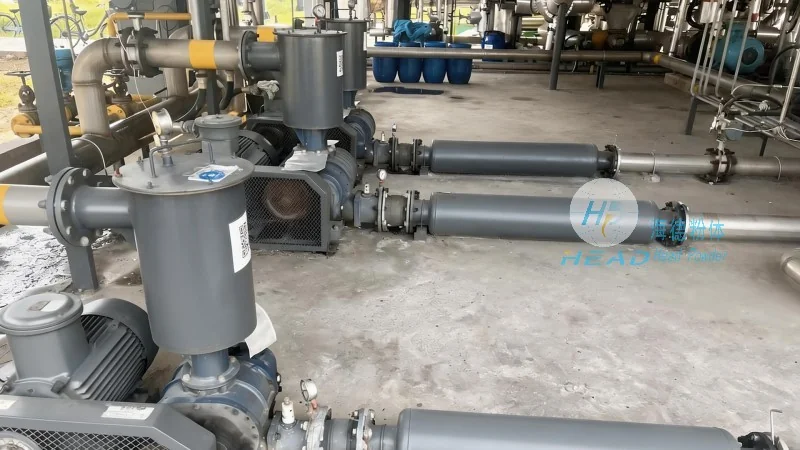
As the mixture reaches the receiving end, the air-solid separator operates to separate the sulfur from the air. In a cyclone separator, centrifugal force causes the heavier sulfur particles to move toward the walls and fall into a collection hopper, while the lighter air is discharged. The separated sulfur is then collected and prepared for further processing, such as melting or packaging. The air, now free of sulfur particles, may be filtered to remove any residual dust before being recirculated back to the blower, reducing energy consumption and environmental impact.
Benefits and Applications of Sulfur Pneumatic Conveying Systems
Sulfur pneumatic conveying systems offer numerous advantages over traditional methods like belt conveyors or bucket elevators. These systems provide a dust-free and enclosed environment, which enhances workplace safety and reduces the risk of sulfur dust inhalation or environmental contamination. The enclosed design also minimizes material loss, as compared to open systems where particles may be lost to the atmosphere.
Another key benefit is the flexibility in system layout. Pneumatic conveying systems can be configured to follow complex routes, including vertical and horizontal segments, without the need for additional support structures. This adaptability allows for the integration of the system into existing industrial facilities or new plant designs, making it suitable for a wide range of applications. For example, sulfur is often used in the production of sulfuric acid, and pneumatic conveying systems efficiently transport sulfur from storage silos to the reaction units, ensuring a continuous and reliable supply.
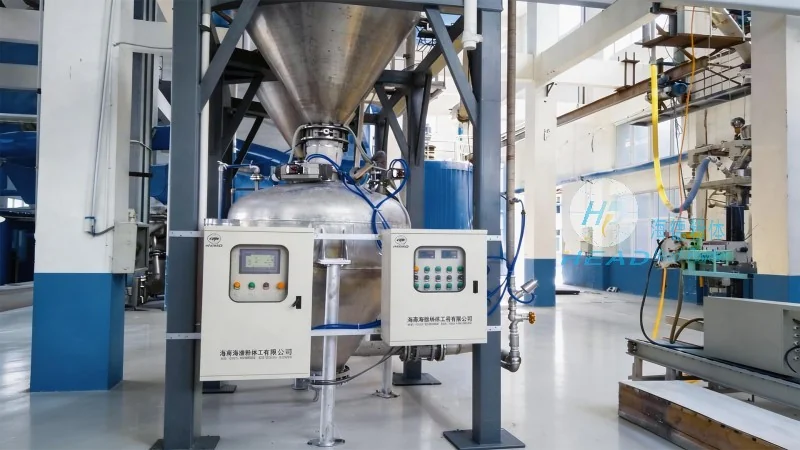
The systems also contribute to energy efficiency and cost savings. By using compressed air to transport materials, the energy required for movement is often lower than that of mechanical conveyors, especially over longer distances or with multiple turns. Additionally, the reduced need for maintenance due to fewer moving parts (compared to belt systems) lowers operational costs and downtime. HeadPowder's expertise in designing customized pneumatic conveying systems ensures that clients receive solutions tailored to their specific sulfur handling needs, optimizing performance and minimizing operational expenses.
Conclusion and Company Overview
Sulfur pneumatic conveying systems represent a sophisticated and efficient solution for the transportation of bulk sulfur in industrial applications. By understanding the structural components and working principles of these systems, users can appreciate how they enhance productivity, safety, and environmental compliance. HeadPowder, with its extensive experience and commitment to quality, provides reliable and innovative pneumatic conveying solutions for sulfur and other materials. Based in Shandong, China, HeadPowder Engineering Co., Ltd. continues to lead the industry in delivering advanced material handling technologies that meet the evolving demands of modern manufacturing processes.