

Introduction to Oat Pneumatic Conveying Systems: Structure and Working Principles
Oat pneumatic conveying systems are specialized equipment designed to transport oat grains efficiently and reliably. These systems utilize air as the primary medium to move bulk materials, offering advantages such as reduced contamination, lower maintenance costs, and improved operational flexibility compared to traditional mechanical conveyors. The core of an oat pneumatic conveying system lies in its ability to handle the unique properties of oat, including its size, density, and susceptibility to breakage during transport.
Key Components and Structure of Oat Pneumatic Conveying Systems
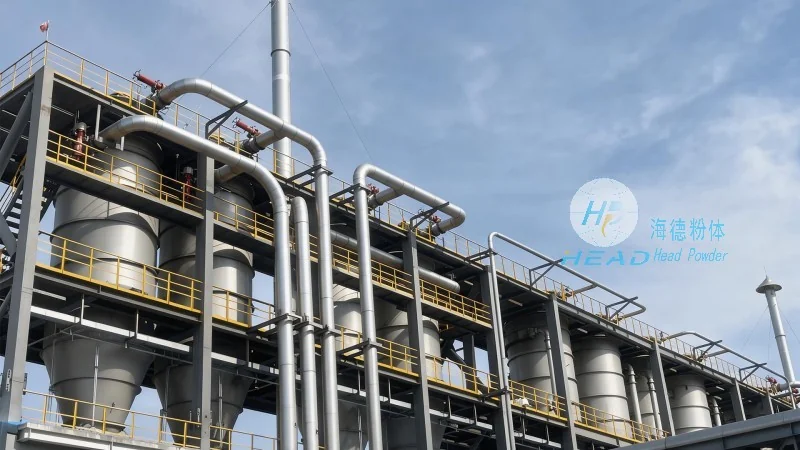
At the heart of a pneumatic conveying system for oats is a series of interconnected components that work in tandem to ensure smooth material flow. The main components typically include a hopper for material storage, a feeder to control the flow rate, a conveying line (usually made of metal or flexible tubing), a separator to separate air from the material, and a discharge point for the processed oats. The system may also incorporate a filter to capture any fine particles or dust, ensuring environmental compliance and product purity. The design of each component is critical; for instance, the hopper is often equipped with a discharge valve to prevent material bridging, while the feeder uses a rotary valve or screw mechanism to maintain consistent material feed. The conveying line is sized and configured based on the volume of oats to be transported and the required distance, with options for positive or negative pressure systems depending on the application. The separator, often a cyclone or bag filter, efficiently separates the air from the oat particles, allowing the air to be recirculated or vented, and the oats to be directed to the next processing stage. The discharge point may include a silo or a direct outlet to a storage or processing facility, ensuring that the oats are delivered in a controlled manner.
Working Principles of Oat Pneumatic Conveying Systems
The operation of an oat pneumatic conveying system is based on the principles of fluid dynamics and material handling. In a typical positive pressure system, a blower or compressor generates high-pressure air that is introduced into the conveying line. The oat material is then fed into the line, where it is suspended and carried by the air stream. The air, carrying the oats, travels through the system to the separator, where the air is separated from the material. The oats are then collected and directed to the discharge point. In a negative pressure system, the air is drawn from the conveying line using a vacuum pump, creating a suction that pulls the oats into the line. Both systems rely on the velocity of the air to keep the oats in suspension, and the system is designed to maintain a consistent air flow rate to prevent material settling or blockages. The control system, often integrated with sensors and variable speed drives, monitors the flow rate, pressure, and temperature to ensure optimal performance. This automation helps maintain consistent product quality and reduces the risk of equipment failure or material loss.
Advantages of Using Oat Pneumatic Conveying Systems
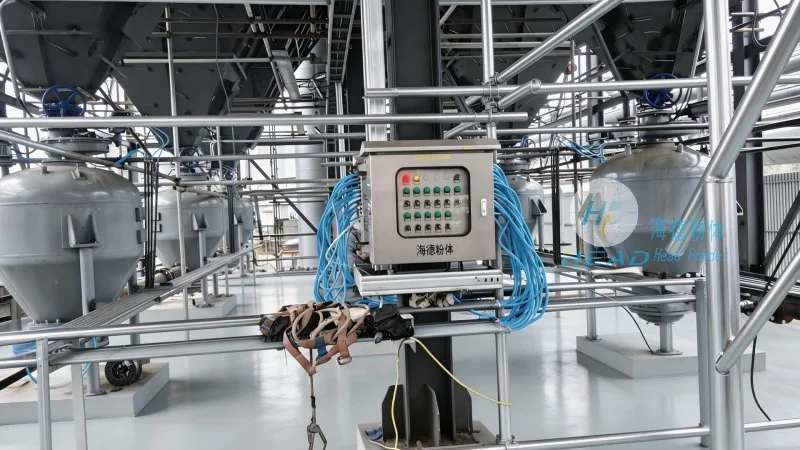
Implementing an oat pneumatic conveying system offers several benefits that make it a preferred choice for many oat processing facilities. One of the primary advantages is the reduction in product contamination. Unlike mechanical conveyors that may come into direct contact with the oats, pneumatic systems use air as the transport medium, minimizing the risk of cross-contamination from other materials or equipment. This is particularly important for oats, which are often used in food applications where purity is critical. Another key advantage is the lower maintenance requirements. Pneumatic systems have fewer moving parts compared to mechanical conveyors, reducing the need for frequent repairs and replacements. The lack of direct contact between the oats and the system components also reduces wear and tear, extending the lifespan of the equipment. Additionally, pneumatic conveying systems offer greater flexibility in terms of layout and integration. They can be easily adapted to existing processing lines or reconfigured to accommodate changes in production volume or product types. The ability to transport oats over longer distances without the need for multiple transfer points also simplifies the overall system design. Finally, the energy efficiency of pneumatic systems, especially when using positive pressure with optimized air flow, can lead to cost savings over time. By reducing the need for manual handling and minimizing material loss, these systems contribute to overall operational efficiency.
Applications of Oat Pneumatic Conveying Systems
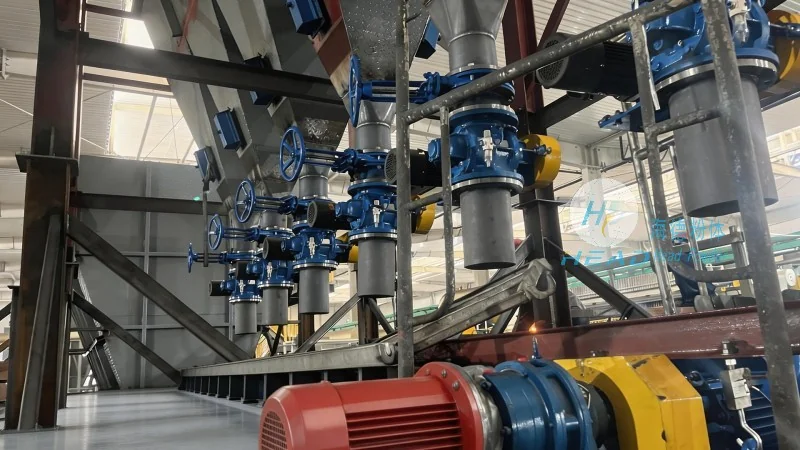
Oat pneumatic conveying systems are widely used in various stages of oat processing and handling. In the agricultural sector, they are employed to transport freshly harvested oats from the field to storage facilities or processing plants. This ensures that the oats are handled gently, reducing the risk of damage during transport. In processing plants, these systems are used to move oats from storage silos to milling or grinding equipment, where they are prepared for further processing into oat flour, oatmeal, or other oat-based products. The systems are also used in the packaging stage, transporting oats from the processing line to packaging machines or storage containers. The versatility of pneumatic conveying systems allows them to be integrated into different parts of the oat production chain, from raw material handling to finished product packaging. For example, in a large-scale oat milling operation, a pneumatic system may be used to convey oats from the reception hopper to the cleaning and grading equipment, then to the milling and sifting stages, and finally to the packaging line. This integrated approach ensures a smooth flow of material throughout the entire process, minimizing bottlenecks and maximizing productivity.
Maintenance and Operational Considerations for Oat Pneumatic Conveying Systems
Proper maintenance and operational management are essential to ensure the longevity and efficiency of oat pneumatic conveying systems. Regular maintenance tasks include inspecting and cleaning the conveying line and components to prevent blockages or material buildup. The filter system, in particular, requires frequent cleaning or replacement to maintain air quality and prevent clogging. The feeder and hopper components should be checked for wear and tear, and the discharge valve should be adjusted to prevent material bridging or leakage. The blower or vacuum pump should be inspected for proper operation, including checking for air leaks and ensuring adequate power supply. Operational considerations include monitoring the system's performance parameters, such as pressure, flow rate, and temperature, to detect any deviations that may indicate a problem. The control system should be calibrated regularly to ensure accurate control of the conveying process. Additionally, training operators on the proper use and maintenance of the system is crucial to prevent accidents and ensure optimal performance. By following a regular maintenance schedule and adhering to operational guidelines, oat processing facilities can maximize the lifespan of their pneumatic conveying systems and minimize downtime.