

Introduction to the Structure and Working Principle of a Mineral Sand Pneumatic Conveying System
HeadPowder, a leading engineering company based in Shandong, China, specializes in the design and manufacturing of advanced pneumatic conveying systems for mineral sands. This article provides an overview of the structure and operational principles of such systems, highlighting the key components and their functions.
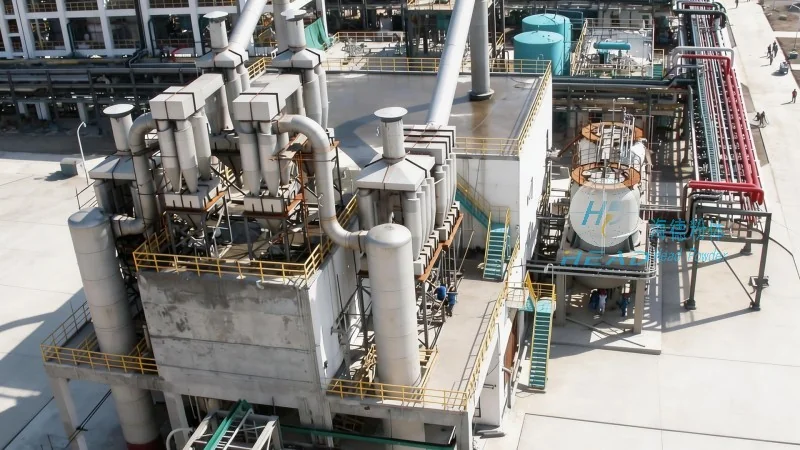
Overview of Pneumatic Conveying Systems for Mineral Sands
Pneumatic conveying systems are widely used in the mineral processing industry to transport mineral sands, such as silica sand, quartz, and other fine particles, from one location to another. These systems utilize compressed air or gas to move the material through a pipeline network, offering a dust-free, efficient, and flexible method of material handling. The HeadPowder engineering team has developed specialized solutions tailored to the unique characteristics of mineral sands, ensuring optimal performance and reliability in various industrial applications.
Key Structural Components of a Mineral Sand Pneumatic Conveying System
A typical mineral sand pneumatic conveying system consists of several critical components that work in tandem to achieve efficient material transport. The main parts include the material feeder, the conveying pipeline, the air compressor or blower, the control system, and the discharge equipment. Each component plays a vital role in the overall operation of the system.
Material Feeder
The material feeder is responsible for feeding the mineral sand into the conveying pipeline at a controlled rate. It ensures a consistent flow of material, preventing blockages and maintaining system efficiency. HeadPowder offers various types of feeders, including rotary valves, screw feeders, and vibratory feeders, which are designed to handle different particle sizes and flow rates of mineral sands. The selection of the appropriate feeder depends on factors such as the material's bulk density, flowability, and the required conveying capacity.
Conveying Pipeline
The conveying pipeline is the main channel through which the mineral sand and air mixture travels. It is typically made of high-quality steel or other corrosion-resistant materials to withstand the abrasive nature of mineral sands. The pipeline is designed with appropriate bends and elbows to guide the material flow while minimizing pressure losses. HeadPowder engineers carefully calculate the pipeline diameter and length to ensure that the system operates within optimal pressure and flow parameters, maximizing the conveying efficiency and minimizing energy consumption.
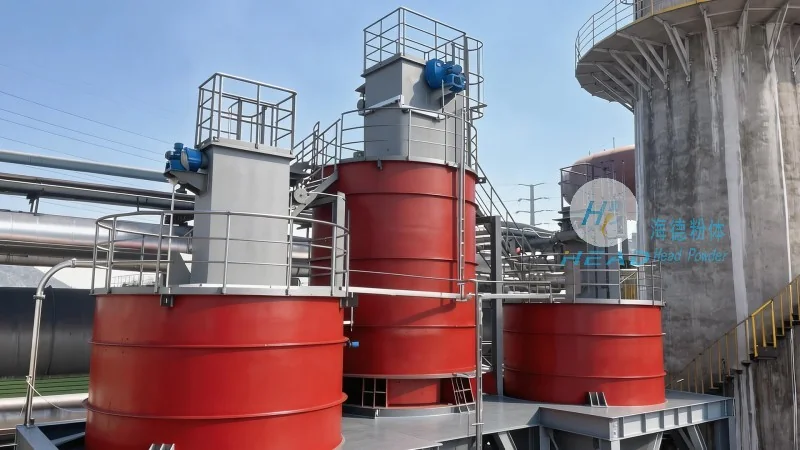
Air Compressor or Blower
The air compressor or blower is the power source of the pneumatic conveying system, providing the necessary pressure and airflow to move the mineral sand through the pipeline. The choice of compressor depends on the system's requirements, including the conveying distance, material properties, and desired flow rate. HeadPowder utilizes advanced blower technology, such as centrifugal or positive displacement blowers, to deliver consistent air pressure and volume. These compressors are designed for high efficiency and low maintenance, ensuring reliable operation over extended periods.
Control System
The control system is responsible for monitoring and regulating the operation of the pneumatic conveying system. It includes sensors, controllers, and valves that adjust the air pressure, material feed rate, and system flow. The control system ensures that the system operates within safe and efficient parameters, preventing overloading, underpressure, or other operational issues. HeadPowder's control systems are equipped with advanced features, such as real-time monitoring, automatic start/stop functions, and alarm systems, enhancing the system's reliability and user-friendliness.
Discharge Equipment
The discharge equipment is used to release the mineral sand from the conveying pipeline at the destination point. It can include rotary valves, airlocks, or other devices that control the flow of material out of the system. The discharge equipment is designed to prevent material leakage and ensure a smooth, controlled discharge. HeadPowder's discharge systems are engineered to handle the specific characteristics of mineral sands, minimizing wear and ensuring consistent discharge performance.
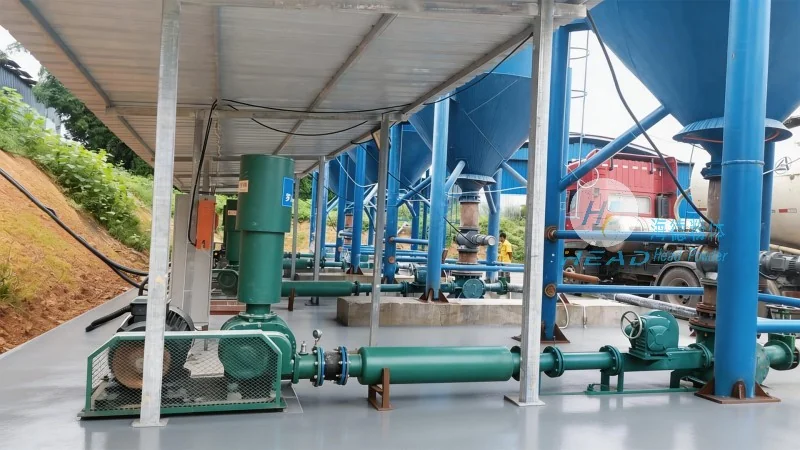
Working Principle of the Pneumatic Conveying System
The operation of a mineral sand pneumatic conveying system involves several key steps. First, the mineral sand is fed into the material feeder at a controlled rate. The feeder then transfers the material into the conveying pipeline. Simultaneously, the air compressor or blower generates compressed air, which is introduced into the pipeline. The compressed air creates a pressure differential, causing the mineral sand to be entrained and carried along with the air flow. The mixture of mineral sand and air travels through the pipeline to the discharge point. At the destination, the air is separated from the material, and the mineral sand is discharged. The air is then recycled back to the compressor or released, depending on the system design.
Advantages of Using Pneumatic Conveying Systems for Mineral Sands
Pneumatic conveying systems offer several advantages over traditional material handling methods, making them ideal for mineral sand applications. These advantages include dust-free operation, which improves workplace safety and reduces environmental impact. The systems also provide flexibility in terms of layout and can be easily integrated into existing industrial processes. Additionally, pneumatic conveying systems are capable of transporting mineral sands over long distances with minimal loss of material and energy. HeadPowder's expertise in designing and manufacturing these systems ensures that clients can benefit from these advantages while achieving optimal performance and cost-effectiveness.
Applications of Mineral Sand Pneumatic Conveying Systems
Mineral sand pneumatic conveying systems are used in a wide range of industrial applications, including mining, quarrying, and processing facilities. They are commonly employed in the transportation of silica sand, quartz, and other fine mineral particles used in glass manufacturing, foundries, and construction industries. The systems are also used in the processing of mineral sands for the extraction of valuable components, such as rare earth elements or other minerals. HeadPowder's systems have been successfully implemented in various industries, demonstrating their versatility and reliability in handling different types of mineral sands and meeting the specific requirements of each application.
Conclusion
In conclusion, the mineral sand pneumatic conveying system is a sophisticated and efficient method for transporting mineral sands in industrial settings. The system's structure, which includes components such as the material feeder, conveying pipeline, air compressor, control system, and discharge equipment, works together to achieve reliable and effective material handling. HeadPowder, with its expertise in engineering and manufacturing, provides high-quality pneumatic conveying systems tailored to the needs of the mineral processing industry. By understanding the structure and working principles of these systems, industries can make informed decisions about implementing efficient and reliable material handling solutions for their mineral sand operations.