

Introduction to Tri-metal Material Pneumatic Conveying Systems: Structure and Principle of Operation
Shandong HeadPowder Engineering Co., Ltd., commonly known as HeadPowder, is a professional manufacturer specializing in the research, development, and production of pneumatic conveying systems. With a focus on high-quality tri-metal material handling solutions, the company has established itself as a leading provider in the industry. HeadPowder is headquartered in Shandong, China, and serves clients globally with advanced engineering and reliable products.
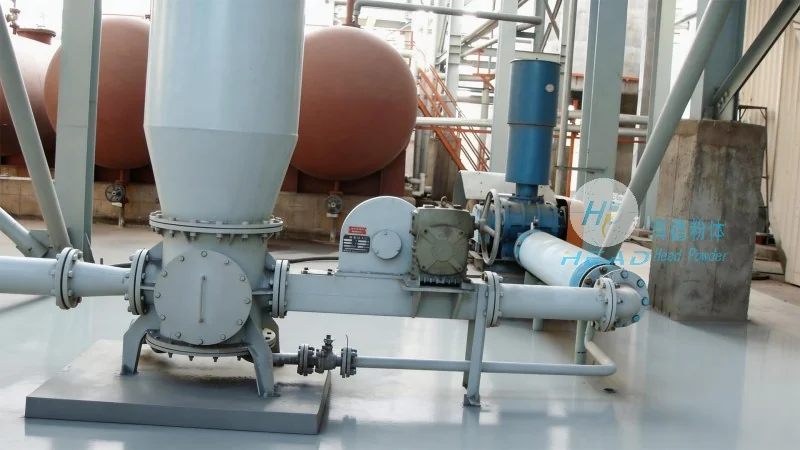
Overview of Tri-metal Material Pneumatic Conveying Systems
Pneumatic conveying systems are essential for efficiently transporting bulk materials, particularly tri-metal powders and granules, in industrial settings. These systems utilize air or gas to move materials through a pipeline network, offering advantages such as dust-free operation, reduced labor costs, and improved safety compared to traditional mechanical conveying methods. The tri-metal material, typically composed of elements like nickel, cobalt, and manganese, is widely used in battery manufacturing and other high-tech industries, making efficient and reliable transport critical for production processes.
Structure and Principle of Operation
The tri-metal material pneumatic conveying system consists of several key components, each playing a vital role in the material transport process. The main components include a material feeder, a conveying pipeline, a pressure vessel or receiver, a blower or air compressor, and control systems. The material feeder is responsible for accurately feeding the tri-metal material into the system, ensuring a consistent flow rate. The conveying pipeline, often made of stainless steel to prevent corrosion from the metal powders, transports the material from the feeder to the receiver. The pressure vessel or receiver stores the conveyed material and may include a discharge valve for controlled release. The blower or air compressor generates the necessary air pressure to move the material through the pipeline. Control systems monitor and regulate the flow of material and air, ensuring optimal performance and preventing system failures.
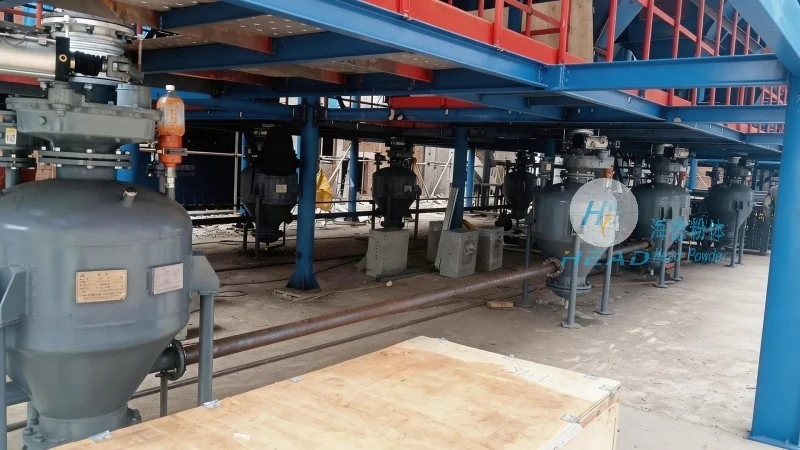
Advantages of the System
Tri-metal material pneumatic conveying systems offer several key advantages that make them ideal for industrial applications. Firstly, they provide a dust-free and clean environment, which is crucial for maintaining product quality and compliance with environmental regulations. Secondly, the systems are highly efficient, with minimal material loss and reduced maintenance requirements compared to mechanical conveyors. Thirdly, the flexible pipeline design allows for easy integration into existing production lines, enabling seamless material transfer between different processing stages. Additionally, the systems are capable of handling a wide range of tri-metal material properties, including varying particle sizes and moisture content, ensuring reliable operation under diverse conditions.
Technical Features and Innovations
HeadPowder's tri-metal material pneumatic conveying systems incorporate advanced technologies to enhance performance and reliability. The company utilizes high-efficiency blower systems that minimize energy consumption while maintaining sufficient air pressure for material transport. The conveying pipelines are equipped with specialized valves and fittings to prevent material blockages and ensure smooth flow. The control systems employ intelligent sensors and automation to monitor key parameters such as pressure, flow rate, and material level, providing real-time feedback and automatic adjustments as needed. Furthermore, the systems are designed with safety features, including pressure relief valves and emergency shut-off mechanisms, to protect both personnel and equipment from potential hazards.
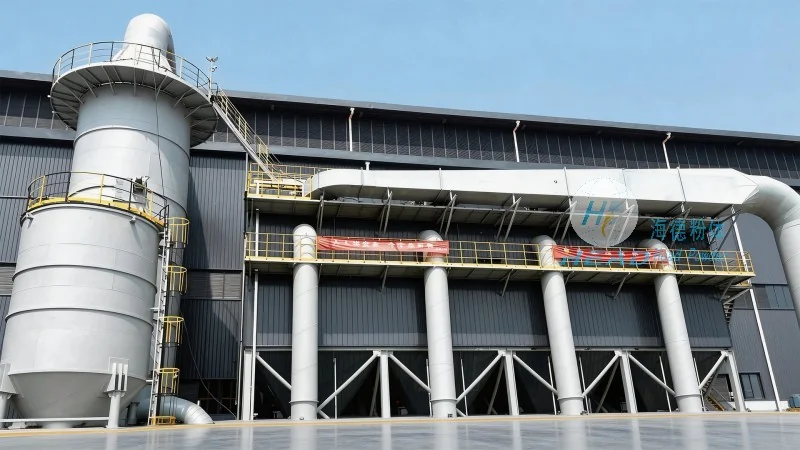
Maintenance and Operational Considerations
Proper maintenance is essential to ensure the long-term performance and reliability of tri-metal material pneumatic conveying systems. Regular cleaning of the conveying pipeline and components is necessary to prevent material buildup and corrosion. The blower and air compressor should be inspected regularly for wear and tear, with filters replaced as needed to maintain air quality. Control systems require periodic calibration to ensure accurate monitoring and control. Additionally, training for operators on proper system operation and emergency procedures is crucial for safe and efficient use. By following these maintenance practices, HeadPowder's systems can operate at peak efficiency, minimizing downtime and maximizing productivity.
Conclusion
Tri-metal material pneumatic conveying systems from Shandong HeadPowder Engineering Co., Ltd. represent a reliable and efficient solution for handling bulk materials in industrial applications. With their advanced structure, principle of operation, and technical features, these systems offer significant advantages over traditional conveying methods. HeadPowder's commitment to quality and innovation ensures that clients receive products that meet their specific needs and comply with industry standards. By leveraging the expertise and technology of HeadPowder, businesses can enhance their material handling processes, improve productivity, and maintain a competitive edge in the market.