

Introduction to Glass Fiber Pneumatic Conveying Systems: Structure and Working Principles
Glass fiber pneumatic conveying systems are advanced material handling technologies designed to transport bulk glass fiber materials through enclosed pipelines using air or gas as the conveying medium. These systems are engineered to address the unique challenges of handling abrasive, lightweight, and often fine glass fiber particles, which are commonly used in industries such as fiberglass manufacturing, composite production, and insulation manufacturing. The primary goal of these systems is to ensure efficient, safe, and contamination-free transport of glass fibers, minimizing product loss and operational downtime.
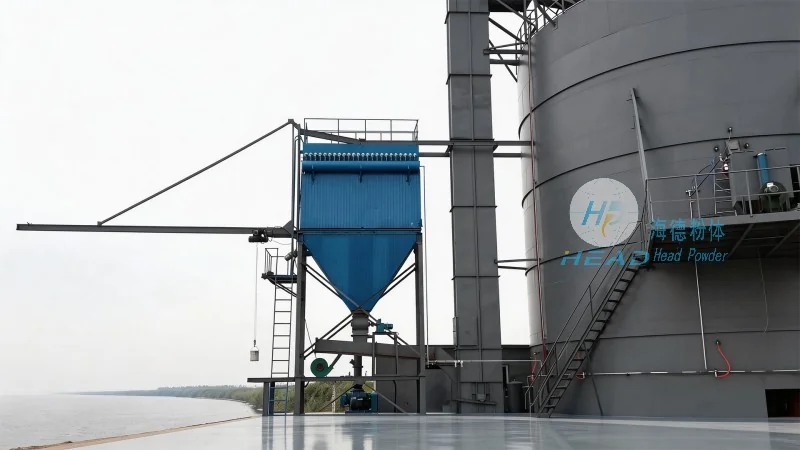
Key Structural Components and Their Functions
The structural design of a glass fiber pneumatic conveying system involves several critical components that work in synergy to achieve reliable operation. The main components include a material hopper or feed bin, which stores the glass fiber and feeds it into the system; a conveying line, typically constructed from high-quality stainless steel or specialized plastic materials to resist abrasion and corrosion from glass fibers; a blower or compressor that generates the necessary air pressure to move the material; and a receiving hopper or cyclone separator that collects the conveyed glass fiber and separates it from the air. Additional components may include control valves to regulate air flow, filters to remove fine particles from the air stream, and pressure sensors to monitor system performance. Each component is carefully selected and engineered to withstand the harsh conditions associated with glass fiber handling, ensuring long-term durability and minimal maintenance.
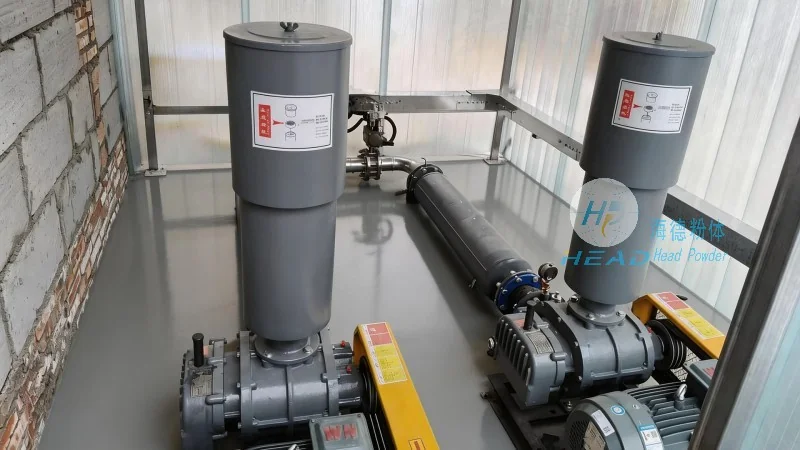
Working Principle: How the System Transports Glass Fibers
The operation of a glass fiber pneumatic conveying system is based on the principle of particle suspension in a moving air stream. When the system is activated, the blower draws ambient air and forces it through the conveying line at a controlled velocity. Simultaneously, glass fiber particles from the hopper are introduced into the air stream, either by gravity or via a feeder mechanism. The air flow then suspends the glass fibers in the pipeline, allowing them to be transported to the discharge point. The velocity of the air and the size of the glass fiber particles determine the conveying efficiency and system performance. The system maintains a consistent air pressure to prevent material buildup and ensure smooth transport. At the receiving end, a cyclone separator uses centrifugal force to separate the glass fibers from the air, allowing the air to be recirculated or vented, while the glass fiber is collected in the receiving hopper. This process ensures that the material is delivered efficiently and with minimal loss.
Advantages and Industrial Applications
Glass fiber pneumatic conveying systems offer several advantages that make them ideal for industrial applications. These include the ability to handle abrasive and fine materials without degradation, reduced labor costs due to automated transport, and improved safety by eliminating manual handling of bulk materials. The enclosed system also helps in controlling dust and maintaining a clean working environment, which is crucial in industries where air quality and product purity are critical. These systems are widely used in the fiberglass industry for transporting raw glass fibers to production lines, in composite manufacturing for feeding glass fibers into molding processes, and in insulation manufacturing for distributing glass fibers into production facilities. They can handle a wide range of particle sizes and flow rates, making them adaptable to various production requirements and scales.
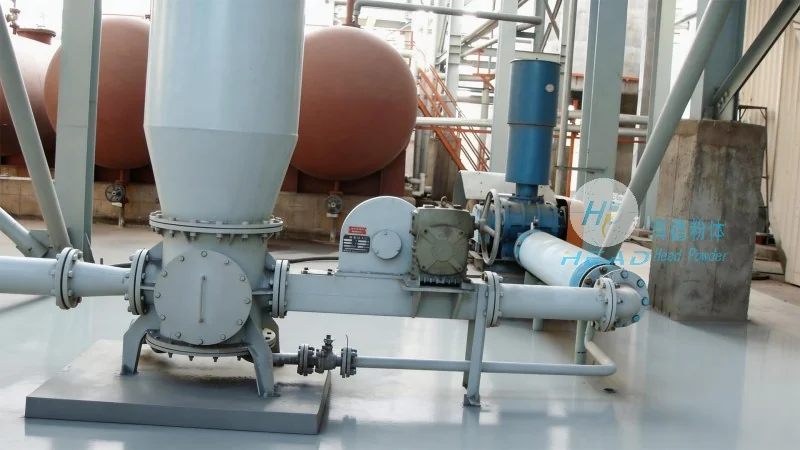
Company Introduction: Shandong HeadPowder Engineering Co., Ltd.
HeadPowder, a division of Shandong HeadPowder Engineering Co., Ltd., specializes in the design, manufacturing, and installation of advanced material handling systems, with a particular focus on glass fiber pneumatic conveying solutions. HeadPowder is headquartered in Shandong, China, and has built a reputation for delivering high-quality, customized systems that meet the specific needs of industrial clients. The company’s team of engineers and technicians leverages years of experience in material handling to develop innovative solutions that enhance operational efficiency and product quality. HeadPowder’s systems are engineered to comply with international standards and are backed by comprehensive after-sales support, ensuring that clients receive reliable and long-lasting equipment. With a commitment to customer satisfaction and technological advancement, HeadPowder continues to be a trusted partner in the material handling industry.