

Introduction to Quartz Sand Particle Pneumatic Conveying System: Structure and Working Principle
Quartz sand, a widely used industrial material, often requires efficient and reliable transportation methods for processing and distribution. The quartz sand particle pneumatic conveying system is a specialized solution designed to handle the unique characteristics of quartz sand, ensuring safe, clean, and efficient material transfer. This article provides an overview of the system's structure and working principles, highlighting its key components and operational mechanisms.
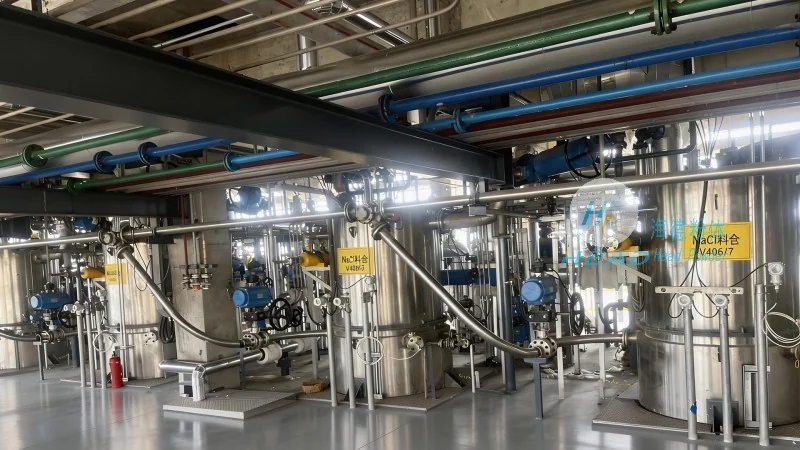
Overview of the Quartz Sand Pneumatic Conveying System
The quartz sand particle pneumatic conveying system is engineered to transport dry quartz sand particles through a pipeline using compressed air or other gas streams. This method eliminates the need for mechanical components like belts or buckets, reducing maintenance and operational costs while ensuring a dust-free environment. The system is particularly suitable for applications where material contamination or product degradation must be minimized, such as in pharmaceutical, food, and high-purity industrial processes.
Key Components and Structure of the System
The system consists of several critical components that work in tandem to achieve effective material transfer. These include the material feed hopper, air supply unit, conveying pipeline, and discharge hopper. The feed hopper is designed to store and meter the quartz sand, ensuring a consistent flow of particles into the system. The air supply unit, typically a blower or compressor, generates the necessary pressure and flow rate to move the particles through the pipeline. The conveying pipeline is constructed from materials resistant to abrasion and corrosion, such as stainless steel or specialized plastic, to withstand the abrasive nature of quartz sand. The discharge hopper collects the transported sand and regulates its release to the next processing stage.
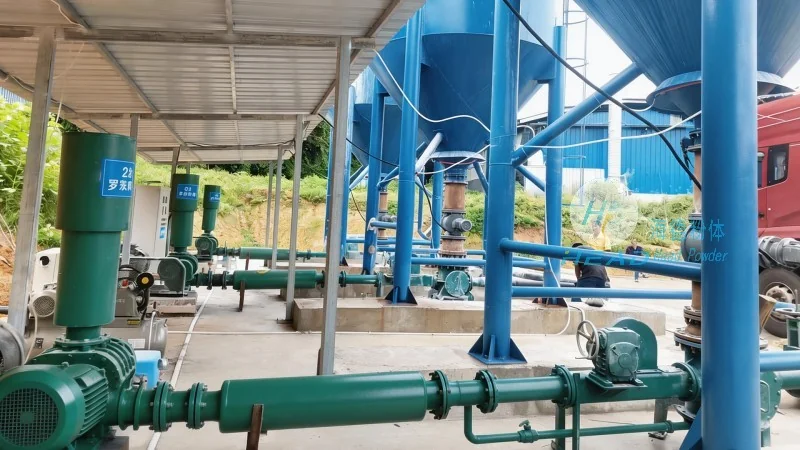
Working Principle of the Pneumatic Conveying Process
The operation of the quartz sand particle pneumatic conveying system is based on the principle of fluidization and drag. When compressed air is introduced into the conveying pipeline, it creates a low-pressure zone that draws the quartz sand particles into the air stream. The air flow then lifts and transports the particles through the pipeline, maintaining a uniform suspension of the material. The velocity of the air is carefully controlled to prevent particle separation or blockages, ensuring smooth and continuous operation. At the discharge end, the air velocity is reduced, allowing the quartz sand to settle and be collected in the discharge hopper. The excess air is then filtered and returned to the system or vented to the atmosphere, depending on the system design.
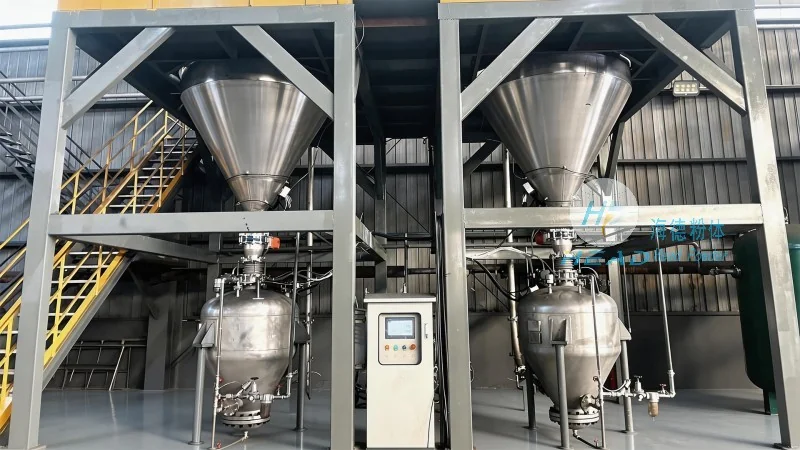
Advantages of the Quartz Sand Pneumatic Conveying System
Compared to traditional mechanical conveying methods, the quartz sand particle pneumatic conveying system offers several advantages. Firstly, it provides a dust-free and clean environment, which is crucial for applications requiring high purity. Secondly, the system is compact and can be installed in various configurations, including vertical, horizontal, or mixed layouts, to suit different plant layouts. Thirdly, it reduces material degradation and contamination by eliminating contact with mechanical parts. Additionally, the system is energy-efficient and can handle a wide range of particle sizes and flow rates, making it versatile for different quartz sand applications.
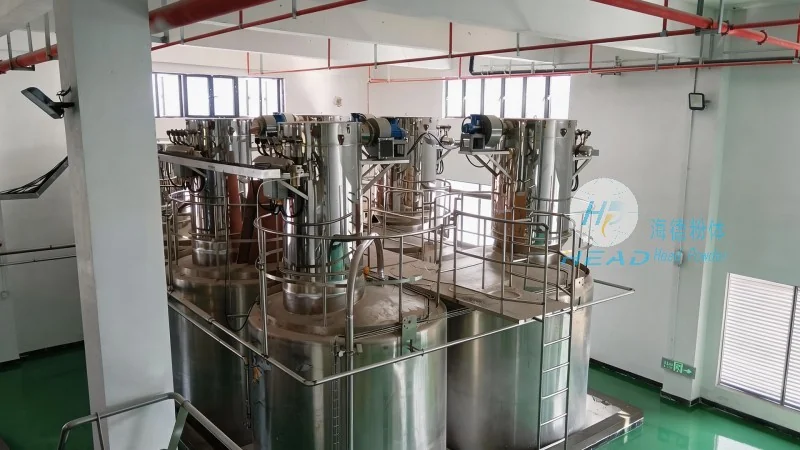
Applications and Industrial Use Cases
The quartz sand particle pneumatic conveying system is widely used in various industries that rely on quartz sand as a raw material. In the glass manufacturing industry, it is used to transport quartz sand to furnaces for glass production. In the construction industry, it is employed to move sand for concrete mixing and other building materials. The system is also utilized in the chemical and pharmaceutical industries for transporting quartz sand used in filtration, coating, and other processes. Its ability to handle high volumes and maintain product quality makes it an essential component in many industrial operations.
Conclusion
The quartz sand particle pneumatic conveying system, developed by Shandong HeadPowder Engineering Co., Ltd., is a reliable and efficient solution for transporting quartz sand particles. By understanding its structure and working principles, users can appreciate the benefits of this technology in improving operational efficiency, maintaining product quality, and reducing costs. The system's design and components are tailored to meet the specific requirements of quartz sand handling, ensuring long-term performance and durability. As a leading provider in the field, Shandong HeadPowder Engineering Co., Ltd. continues to innovate and provide advanced solutions for industrial material handling needs.