

Desulfurizer Pneumatic Conveying Equipment: An Overview of Its Structure and Working Principles
Desulfurizer pneumatic conveying equipment is a critical component in modern industrial processes, particularly in power plants and chemical facilities where sulfur removal is essential for environmental compliance and operational efficiency. This equipment is designed to transport desulfurizer materials, such as limestone or other alkaline substances, from storage silos to the desulfurization system with precision and reliability. The technology behind this equipment combines mechanical and pneumatic principles to ensure efficient material handling while maintaining low operational costs and minimal environmental impact.
Structural Components and Working Principles
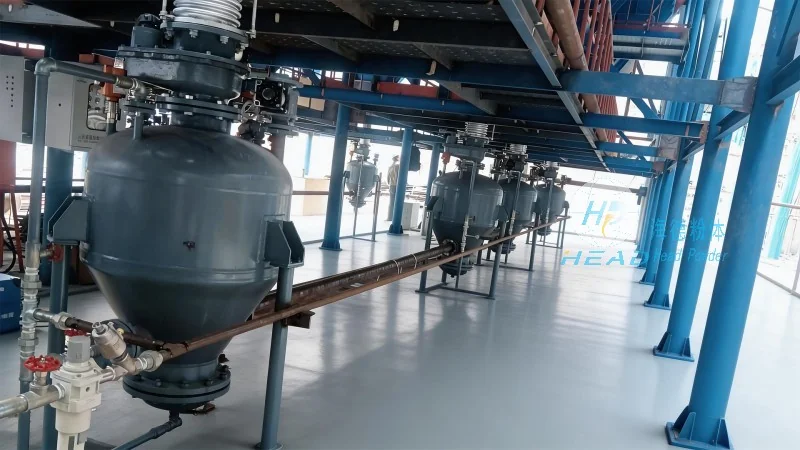
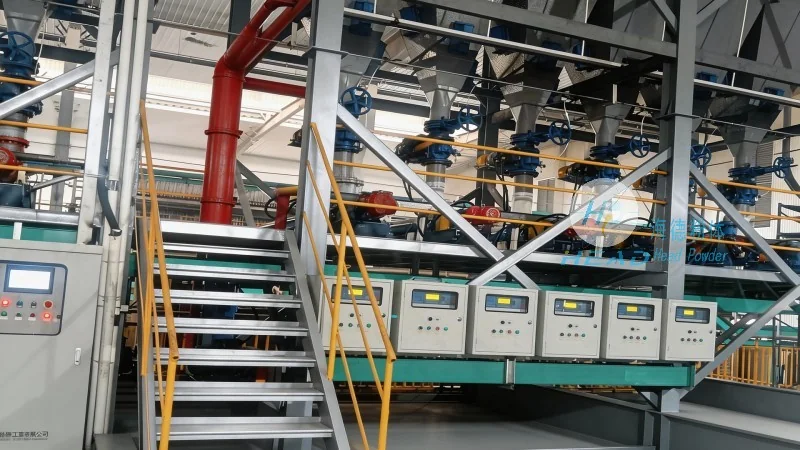
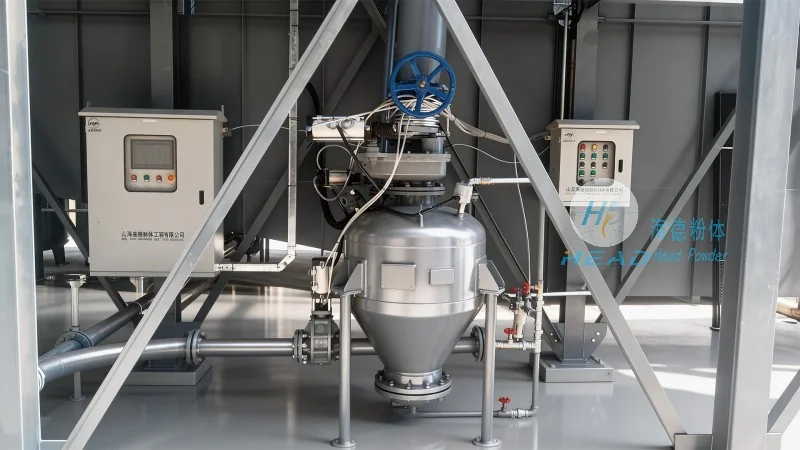
The core structure of desulfurizer pneumatic conveying equipment typically includes several key components: a material storage silo, a feeder system, a conveying pipeline, a control unit, and a dust collection system. The feeder, often a rotary valve or a screw feeder, regulates the flow of desulfurizer material into the conveying line. As the material enters the pipeline, it is mixed with compressed air, which creates a slurry or a dilute solid-liquid mixture. This mixture is then propelled through the pipeline by the air flow, reaching the desulfurization unit where the sulfur compounds are neutralized. The control unit monitors and adjusts the air pressure, material flow rate, and other parameters to maintain optimal performance. The dust collection system ensures that any fine particles are captured and returned to the process, preventing air pollution and maintaining system efficiency.
Key Advantages of Pneumatic Conveying for Desulfurizer Handling
Compared to traditional mechanical conveying methods, pneumatic conveying offers several advantages for desulfurizer handling. It provides a closed system that minimizes dust emissions and environmental contamination, which is crucial for meeting stringent environmental regulations. The flexibility of pneumatic systems allows for easy integration with existing plant infrastructure, reducing installation and maintenance costs. Additionally, pneumatic conveying can handle a wide range of material properties, including fine powders and sticky substances, without the need for additional conditioning or processing. The ability to control flow rates and pressure precisely enhances process stability and reduces the risk of material blockages or system failures.
About Shandong HeadPowder Engineering Co., Ltd.
Shandong HeadPowder Engineering Co., Ltd., commonly known as headpowder, is a leading manufacturer and supplier of industrial conveying equipment, including desulfurizer pneumatic conveying systems. With a strong focus on innovation and quality, the company has established itself as a trusted partner for power plants and chemical facilities worldwide. Headpowder's products are designed to meet the specific requirements of each client, ensuring optimal performance and reliability in demanding industrial environments. The company's headquarters is located in Shandong, China, where it maintains a state-of-the-art research and development center, manufacturing facility, and customer support team. By combining advanced engineering expertise with customer-centric service, headpowder delivers high-quality solutions that enhance operational efficiency and environmental compliance for its clients.
Technical Specifications and Customization Options
HeadPowder's desulfurizer pneumatic conveying equipment is available in various configurations to suit different plant sizes and operational needs. The systems can be customized to handle different material types, flow rates, and pipeline lengths. Key technical specifications include adjustable air pressure ranges (typically from 0.5 to 1.5 MPa), material flow rates (ranging from 1 to 50 tons per hour depending on the system size), and pipeline diameters (from 50 mm to 200 mm). The equipment is constructed from corrosion-resistant materials, such as stainless steel or coated steel, to withstand the harsh conditions of desulfurization processes. Additionally, the systems are equipped with advanced control systems that allow for remote monitoring and automated operation, reducing the need for manual intervention and improving overall system reliability. HeadPowder also provides comprehensive after-sales support, including installation, commissioning, and maintenance services, to ensure that clients can maximize the performance and lifespan of their equipment.
Conclusion
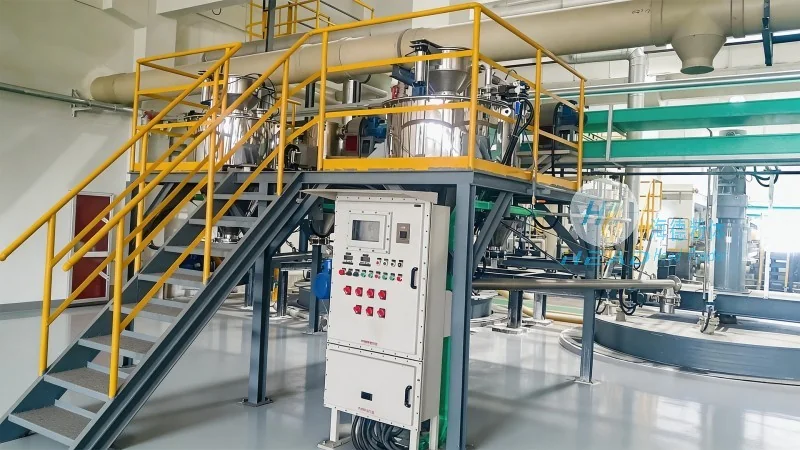
In summary, desulfurizer pneumatic conveying equipment is a vital technology for efficient and environmentally friendly sulfur removal in industrial applications. The combination of robust structural design, advanced pneumatic principles, and precise control systems ensures that these systems deliver reliable performance and contribute to the overall sustainability of power and chemical facilities. As a leading manufacturer, Shandong HeadPowder Engineering Co., Ltd. offers high-quality, customizable solutions that meet the evolving needs of the industry, helping clients achieve their operational and environmental goals.