

Introduction to Rubber Granule Pneumatic Conveying Equipment: Structure and Working Principle
HeadPowder, a leading manufacturer based in Shandong, China, specializes in the design and production of advanced pneumatic conveying systems tailored for handling rubber granules. This article provides an overview of the rubber granule pneumatic conveying equipment, detailing its structural components and operational principles to help users understand its functionality and benefits.
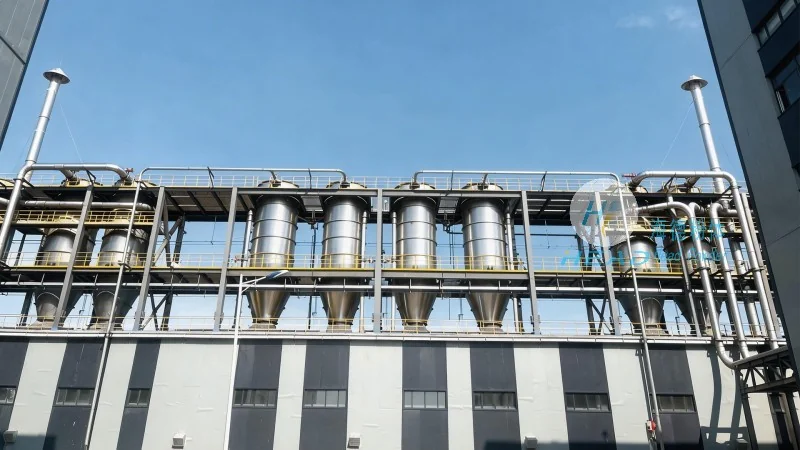
Overview of Rubber Granule Pneumatic Conveying Equipment
Rubber granule pneumatic conveying equipment is a specialized system used to transport rubber granules from one location to another through the use of air or gas as the conveying medium. This technology offers a dust-free, efficient, and flexible method for material handling, making it ideal for various industrial applications such as rubber processing, recycling, and manufacturing. The equipment is designed to handle rubber granules with different sizes and densities, ensuring reliable and consistent material transport.
Key Structural Components of the Equipment
The rubber granule pneumatic conveying system typically consists of several core components that work in tandem to facilitate the conveying process. These components include the hopper, feeder, air compressor, conveying line, and receiver. Each component plays a crucial role in the overall operation of the system.
1. **Hopper**: The hopper is the storage container where rubber granules are loaded before being conveyed. It is designed with a sloped bottom to allow the material to flow smoothly into the feeder. The hopper is usually made of durable materials like stainless steel or high-density plastic to withstand the abrasiveness of rubber granules.
2. **Feeder**: The feeder is responsible for controlling the flow rate of rubber granules from the hopper into the conveying line. It can be a rotary valve, a screw feeder, or a vibrating feeder, depending on the specific requirements of the application. The feeder ensures a consistent and controlled feed of material, preventing blockages and maintaining the efficiency of the conveying process.
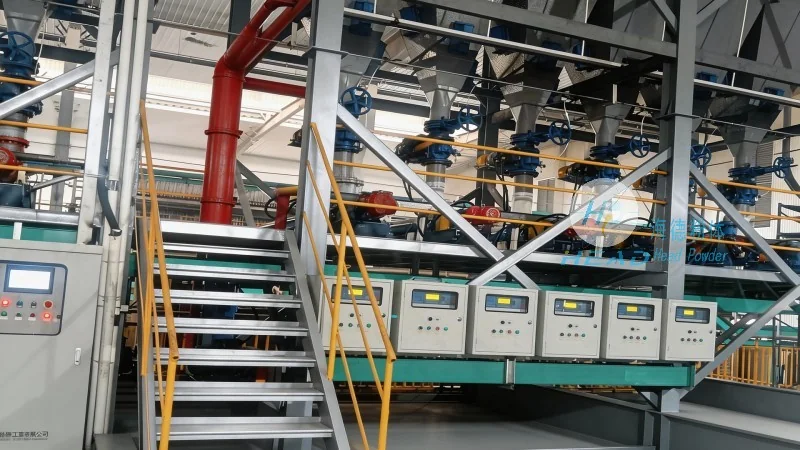
3. **Air Compressor**: The air compressor generates the necessary pressure and airflow to move the rubber granules through the conveying line. It is a critical component that provides the energy required for the pneumatic transport. The compressor is typically equipped with a filter and regulator to ensure clean and stable air supply, which is essential for preventing contamination and maintaining the longevity of the system.
4. **Conveying Line**: The conveying line is the main channel through which the rubber granules are transported. It is usually made of stainless steel or PVC, chosen for its resistance to corrosion and wear. The line is equipped with bends and elbows to direct the material to the desired destination. The design of the conveying line is optimized to minimize pressure drop and ensure efficient material transport.
5. **Receiver**: The receiver is the final container where the rubber granules are deposited after being conveyed. It is typically a large hopper or a storage tank, designed to hold the material until it is further processed or used. The receiver is equipped with a discharge valve to allow the material to be released as needed.
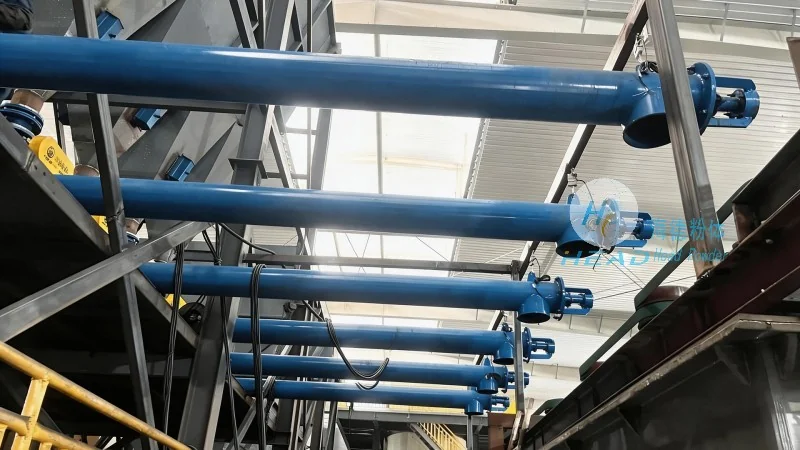
Working Principle of the Rubber Granule Pneumatic Conveying Equipment
The operation of the rubber granule pneumatic conveying equipment involves several steps that work together to transport the material. The process begins with the rubber granules being loaded into the hopper. The feeder then controls the flow rate of the material, which is then introduced into the conveying line by the air compressor. The compressed air creates a flow that lifts and transports the rubber granules through the line to the receiver.
As the rubber granules travel through the conveying line, they are suspended in the air stream, which allows them to move efficiently without the need for mechanical components like belts or chains. The air velocity is carefully controlled to ensure that the granules are carried without excessive pressure drop or material degradation. The system is designed to maintain a consistent airflow and pressure, which is crucial for maintaining the efficiency and reliability of the conveying process.
The receiver collects the conveyed rubber granules, and the system can be configured to include additional components such as filters or cyclones to separate any fine particles or dust from the air before it is released back into the environment. This ensures that the system operates in a clean and environmentally friendly manner.
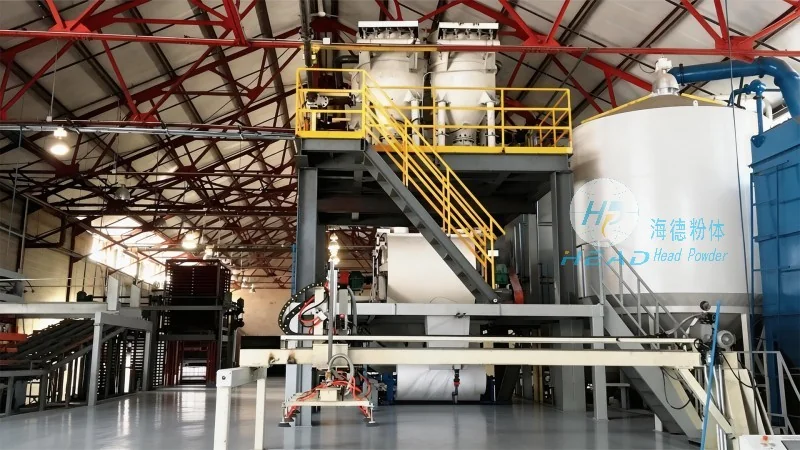
Benefits and Applications of Rubber Granule Pneumatic Conveying Equipment
The rubber granule pneumatic conveying equipment offers several advantages over traditional material handling methods. These benefits include dust-free operation, which improves workplace safety and reduces the risk of respiratory issues for workers. The system also provides a flexible and compact design, allowing it to be installed in various industrial settings with minimal space requirements.
Additionally, the equipment offers high efficiency and reliability, with minimal maintenance requirements. The use of pneumatic transport reduces the need for manual handling, which can be hazardous and time-consuming. The system is also capable of handling a wide range of rubber granule sizes and densities, making it suitable for various applications in the rubber industry.
Applications of this equipment include the transport of rubber granules in rubber processing plants, recycling facilities, and manufacturing environments. It is commonly used for conveying raw rubber granules from storage to processing equipment, as well as for transporting finished products to storage or packaging areas. The equipment is also used in the recycling industry to transport recycled rubber granules from collection points to processing facilities.
Conclusion
HeadPowder's rubber granule pneumatic conveying equipment is a reliable and efficient solution for handling rubber granules in various industrial applications. By understanding the structural components and working principles of this equipment, users can make informed decisions about its implementation and operation. The system's ability to provide dust-free, flexible, and efficient material transport makes it an essential component in modern rubber processing and manufacturing operations.