

[Buckwheat Hulls Pneumatic Conveying Design Calculation and Equipment Selection]
Buckwheat hulls, as a byproduct in the processing of buckwheat, present unique challenges in material handling due to their lightweight, irregular shape, and low bulk density. Efficient and reliable pneumatic conveying systems are essential for transporting these materials from processing units to storage or further processing stages. This article outlines the key aspects of designing and selecting appropriate equipment for buckwheat hulls pneumatic conveying, ensuring optimal performance, energy efficiency, and operational safety.
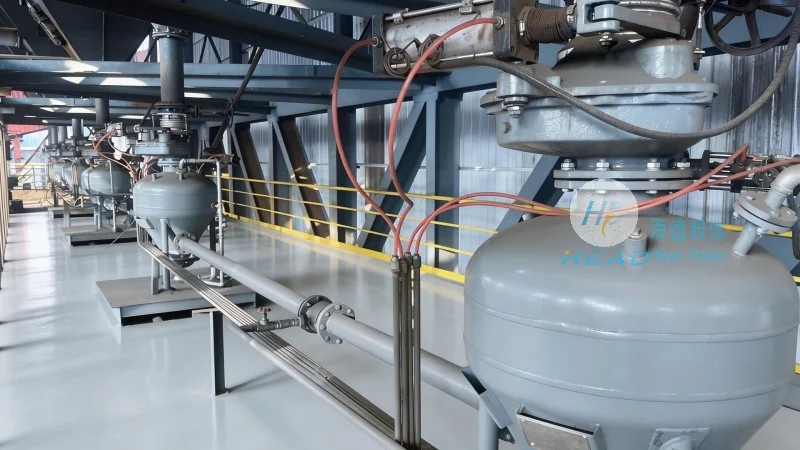
Understanding the Material Characteristics
Before designing a pneumatic conveying system for buckwheat hulls, it is crucial to understand the physical and chemical properties of the material. Buckwheat hulls typically have a bulk density ranging from 30 to 50 kg/m³, which is significantly lower than that of bulk solids like grains or powders. Their irregular, porous structure affects air flow resistance and can lead to issues such as clogging or uneven flow if not properly addressed. Additionally, the material may contain moisture, which can impact the conveying air requirements and system efficiency. These characteristics necessitate a tailored approach to system design, considering factors like air velocity, pressure drop, and equipment selection.
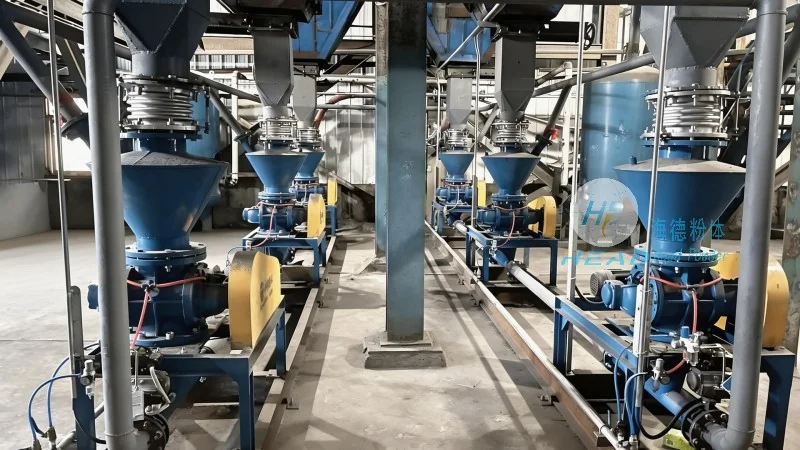
Key Design Parameters for Pneumatic Conveying
The design of a pneumatic conveying system for buckwheat hulls involves several critical parameters that must be carefully calculated and optimized. The primary design parameters include the required conveying capacity, the distance and elevation change between the source and destination points, the material's bulk density and flowability, and the desired system pressure or vacuum level. Accurate calculation of these parameters is essential to ensure the system operates within its optimal performance range, minimizing energy consumption and maximizing material throughput.
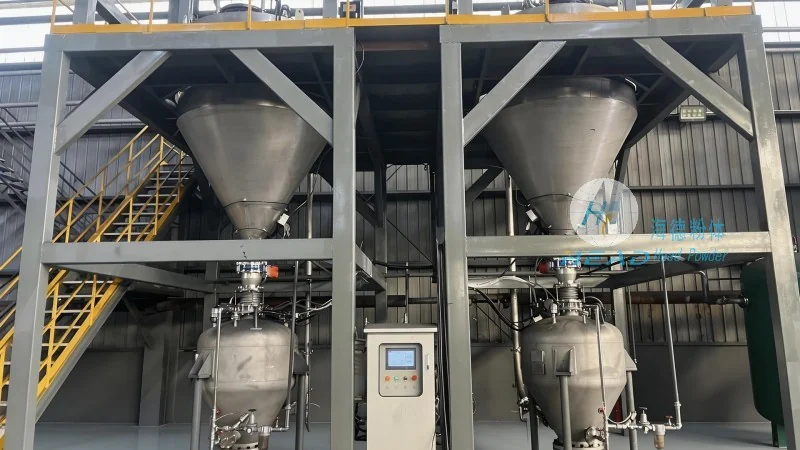
Equipment Selection for Buckwheat Hulls Conveying
Choosing the right equipment for buckwheat hulls pneumatic conveying is a critical step in system design. The selection process should consider the material's characteristics, the system's operating conditions, and the overall cost and maintenance requirements. Common equipment used in such systems includes feeders (e.g., rotary valves or screw feeders), air movers (e.g., blowers or vacuum pumps), conveying lines (e.g., flexible hoses or rigid pipes), and separation or filtration devices. For buckwheat hulls, which are lightweight and prone to settling, feeders with consistent material flow are essential to prevent blockages and ensure smooth operation. Air movers must be capable of generating sufficient pressure or vacuum to overcome the material's low bulk density and irregular shape. Conveying lines should be sized appropriately to maintain the required air velocity while minimizing pressure drop. Separation devices, such as cyclones or filters, are often used to remove any fine particles or dust from the conveying air, protecting downstream equipment and ensuring compliance with environmental regulations.
Design Calculations and Practical Considerations
Design calculations for buckwheat hulls pneumatic conveying involve determining the necessary air velocity, pressure drop, and system power requirements. The air velocity must be high enough to keep the material suspended but low enough to prevent excessive wear on the conveying lines and equipment. The pressure drop across the system components is a key factor in determining the required power of the air mover. Practical considerations also include the system's layout, the need for horizontal and vertical sections, and the potential for material buildup or clogging. Proper system design should incorporate features such as airlocks, expansion joints, and cleaning mechanisms to address these issues and ensure long-term reliability.
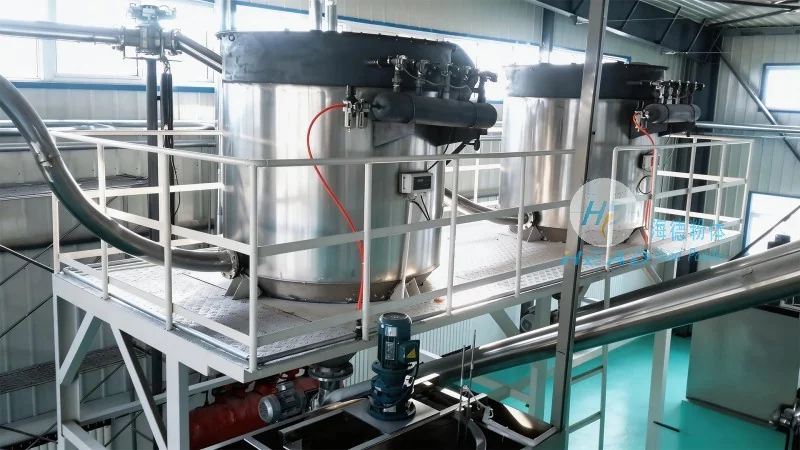
Conclusion
Efficient design and selection of pneumatic conveying equipment for buckwheat hulls are essential for optimizing material handling processes in agricultural and food processing industries. By understanding the material's characteristics, carefully calculating key design parameters, and selecting appropriate equipment, operators can achieve reliable, energy-efficient, and cost-effective conveying systems. The expertise of companies like Shandong HeadPowder Engineering Co., Ltd. (headpowder) is invaluable in this process, as they provide tailored solutions that address the unique challenges of handling buckwheat hulls and other lightweight bulk materials.