

Desulfurization Fly Ash Pneumatic Conveying Technology: In-Depth Analysis of Negative Pressure and P
HeadPowder, a leading provider of engineering solutions, specializes in advanced pneumatic conveying systems tailored for the handling of desulfurization fly ash. This article delves into the technical nuances of both negative pressure and positive pressure pneumatic conveying technologies, exploring their applications, advantages, and practical implementation in industrial settings.
Introduction to Desulfurization Fly Ash and Pneumatic Conveying
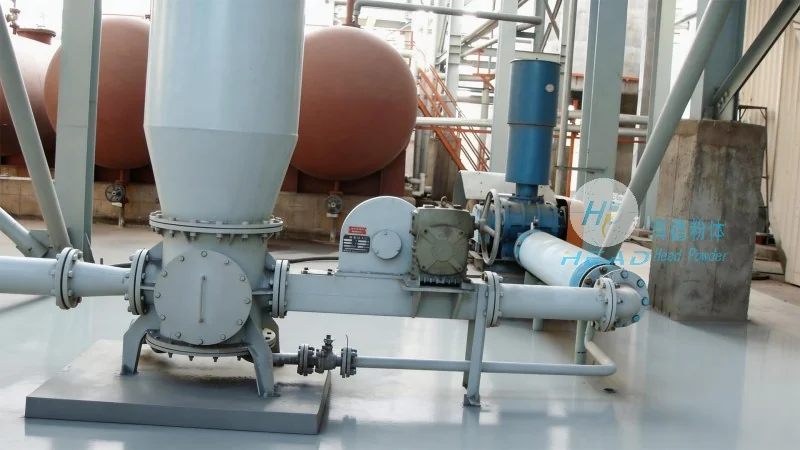
Desulfurization fly ash, a byproduct of flue gas desulfurization processes in power plants and industrial facilities, requires efficient and reliable transport methods to ensure proper disposal or utilization. Pneumatic conveying offers a solution by utilizing air flow to move bulk materials like fly ash through pipelines, eliminating the need for mechanical components and reducing operational complexity. The choice between negative pressure (suction) and positive pressure (blowing) systems depends on various factors including material properties, system layout, and operational requirements.
Understanding Negative Pressure Pneumatic Conveying Systems
Negative pressure systems operate by creating a vacuum at the material intake point, drawing the fly ash into the conveying line. This method is particularly suitable for applications where the material is to be transported from multiple sources or over relatively short distances. The primary advantage of negative pressure systems is their ability to handle fine or dusty materials without causing excessive wear on the system components. However, they may require more robust vacuum pumps and are generally less efficient for long-distance transport compared to positive pressure systems.
Advantages and Applications of Negative Pressure Systems
For desulfurization fly ash, negative pressure systems excel in scenarios such as transferring ash from multiple hoppers or silos to a central processing unit. The system's design allows for gentle material handling, minimizing particle degradation and ensuring consistent flow rates. HeadPowder's engineering expertise ensures that negative pressure systems are optimized for the specific characteristics of desulfurization fly ash, including its moisture content and particle size distribution. This results in reliable operation and reduced maintenance costs over the system's lifecycle.
Exploring Positive Pressure Pneumatic Conveying Systems
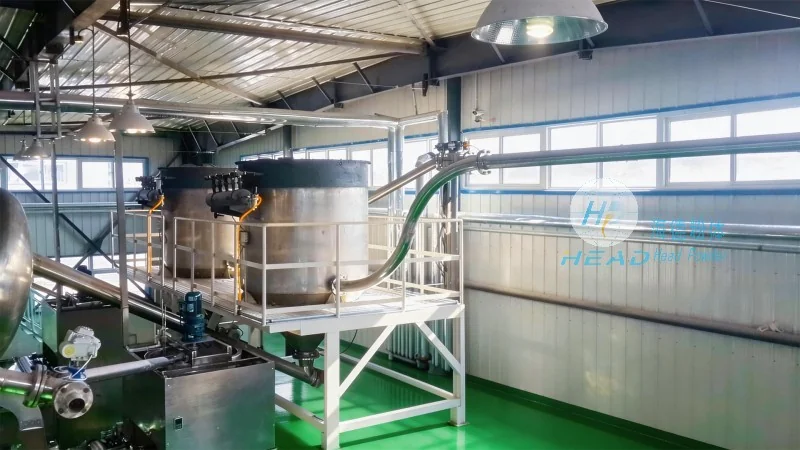
Positive pressure systems, on the other hand, use compressed air to push the fly ash through the conveying line. This approach is ideal for long-distance transport and when the material needs to be conveyed from a single source to multiple destinations. The primary benefit of positive pressure systems is their higher efficiency and ability to handle larger volumes of material with less energy consumption compared to negative pressure systems. However, they may be more susceptible to material buildup and require more stringent maintenance to prevent clogging in the pipelines.
Advantages and Applications of Positive Pressure Systems
HeadPowder's positive pressure systems are particularly effective for transporting desulfurization fly ash over distances exceeding 100 meters or when multiple discharge points are required. The system's design incorporates features such as pulse-jet cleaning and airlock valves to prevent material accumulation and ensure smooth operation. By leveraging advanced control systems, these positive pressure systems maintain consistent air pressure and flow rates, optimizing the conveying process and reducing energy waste.
Comparative Analysis: Negative vs. Positive Pressure Systems
When selecting between negative and positive pressure pneumatic conveying systems for desulfurization fly ash, several factors must be considered. The distance of the conveying line, the number of intake and discharge points, and the material's physical properties all play a critical role. Negative pressure systems are generally more suitable for short to medium distances and multiple source points, while positive pressure systems are preferred for long-distance and single-source applications. HeadPowder's technical team provides comprehensive assessments to determine the most appropriate system configuration, ensuring optimal performance and cost-effectiveness.
Key Considerations for System Design and Implementation
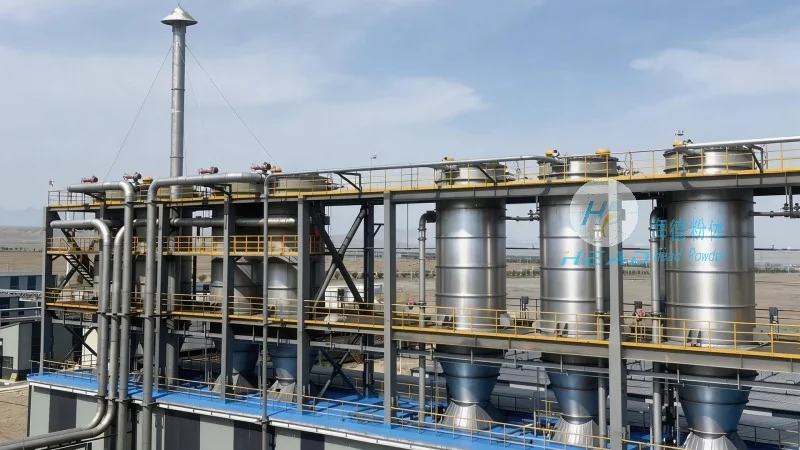
Successful implementation of pneumatic conveying systems for desulfurization fly ash requires careful consideration of several technical aspects. Material properties, such as moisture content, particle size, and abrasiveness, directly impact system performance and component lifespan. HeadPowder's engineers conduct thorough material analysis to select the appropriate pipeline materials, air flow rates, and pressure levels. Additionally, system layout and integration with existing infrastructure are critical to ensure seamless operation and minimal disruption to the host facility.
HeadPowder's Engineering Solutions for Desulfurization Fly Ash Handling
As a leading provider of engineering solutions, HeadPowder offers customized pneumatic conveying systems tailored to the unique needs of each client. Our team of experienced engineers designs and manufactures systems that meet the highest industry standards, ensuring reliability, efficiency, and durability. Whether implementing a negative pressure or positive pressure system, HeadPowder's solutions are backed by rigorous testing and quality control processes, guaranteeing optimal performance in real-world applications.
Conclusion: Optimizing Desulfurization Fly Ash Transport with Advanced Pneumatic Conveying
In conclusion, the choice between negative and positive pressure pneumatic conveying systems for desulfurization fly ash depends on specific operational requirements and system constraints. HeadPowder's expertise in both system types enables us to deliver tailored solutions that enhance material handling efficiency, reduce operational costs, and ensure compliance with environmental regulations. By leveraging advanced technology and engineering excellence, HeadPowder continues to provide innovative solutions for the effective transport of desulfurization fly ash, supporting sustainable industrial practices worldwide.