

Principle and Working Scene Characteristics of Magnesium Oxide Material Pneumatic Conveying Equipmen
HeadPowder, a leading engineering company based in Shandong, China, specializes in the design and manufacturing of advanced pneumatic conveying systems tailored for handling magnesium oxide and similar bulk materials. This article delves into the fundamental principles behind these systems and highlights the key working scene characteristics that make them indispensable in industrial applications.
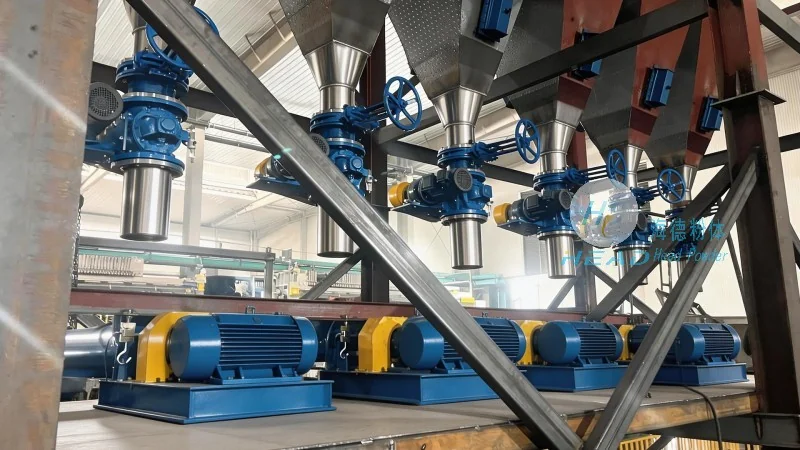
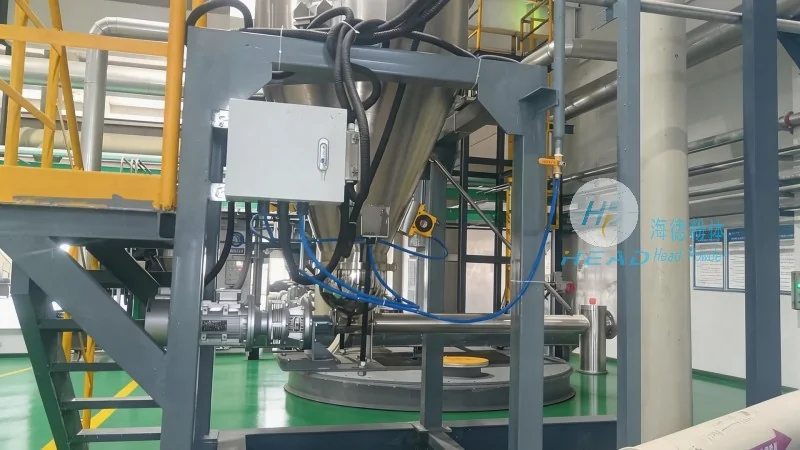
Understanding the Core Principle of Pneumatic Conveying for Magnesium Oxide
The pneumatic conveying system for magnesium oxide operates on the principle of transporting bulk materials through a pipeline using a gas stream, typically air or a combination of air and other gases. Unlike traditional mechanical conveyors, which rely on mechanical components like belts or screws, pneumatic systems utilize the kinetic energy of the gas to move materials. The process involves several critical components: a material hopper to store the magnesium oxide, a feeder to control the flow rate, a conveying line where the material is suspended and transported by the gas, and a receiver to collect the material at the destination. The system can be categorized into two main types: dilute-phase and dense-phase conveying. Dilute-phase systems use high-velocity air to transport materials in a suspended state, suitable for short to medium distances and low to medium material loads. Dense-phase systems, on the other hand, use lower air velocities and higher material concentrations, ideal for long-distance transport and preventing material degradation or segregation. The choice between these systems depends on factors such as the material's properties, the required conveying distance, and the desired material handling efficiency.
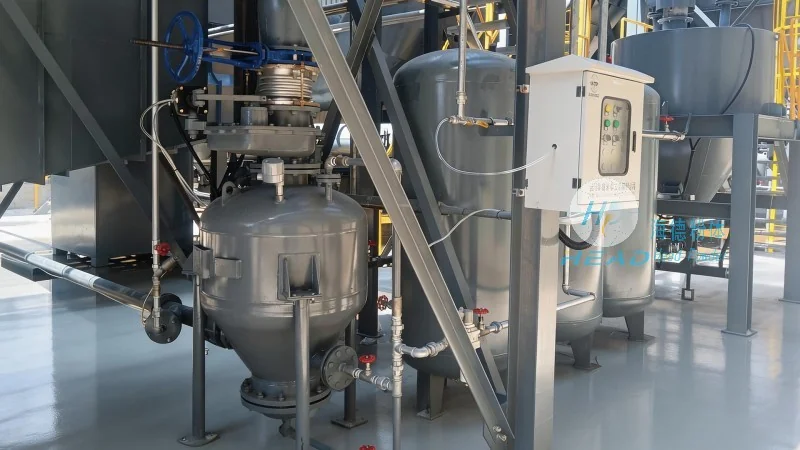
Key Working Scene Characteristics of Magnesium Oxide Pneumatic Conveying Equipment
When deployed in industrial settings, the pneumatic conveying equipment for magnesium oxide exhibits several distinct working scene characteristics that enhance operational efficiency and material integrity. Firstly, the system's ability to handle fine or powdery materials without clogging is a significant advantage. Magnesium oxide, being a fine powder, is prone to bridging or agglomeration in traditional hoppers, but the pneumatic system's design, including the use of air knives or rotary feeders, ensures consistent material flow. Secondly, the system's flexibility in terms of layout and integration with existing production lines is notable. It can be installed in various configurations, such as vertical or horizontal lines, and can connect multiple points in a facility, enabling seamless material transfer from storage to processing or packaging areas. Thirdly, the system's low maintenance requirements and energy efficiency contribute to its widespread adoption. Unlike mechanical conveyors that require regular maintenance of moving parts, pneumatic systems have fewer mechanical components, reducing downtime and operational costs. Additionally, the use of compressed air as the conveying medium is energy-efficient, especially when the plant already has an air supply system. Fourthly, the system's ability to maintain material temperature and prevent contamination is crucial for applications where magnesium oxide is used in sensitive processes, such as pharmaceuticals or food processing. The enclosed pipeline design minimizes exposure to external elements, ensuring the material remains in its original state. Finally, the system's scalability allows it to be adapted for different production scales, from small-scale laboratory applications to large-scale industrial operations. This flexibility makes it suitable for various industries, including chemical, pharmaceutical, and food processing, where magnesium oxide is a key raw material.
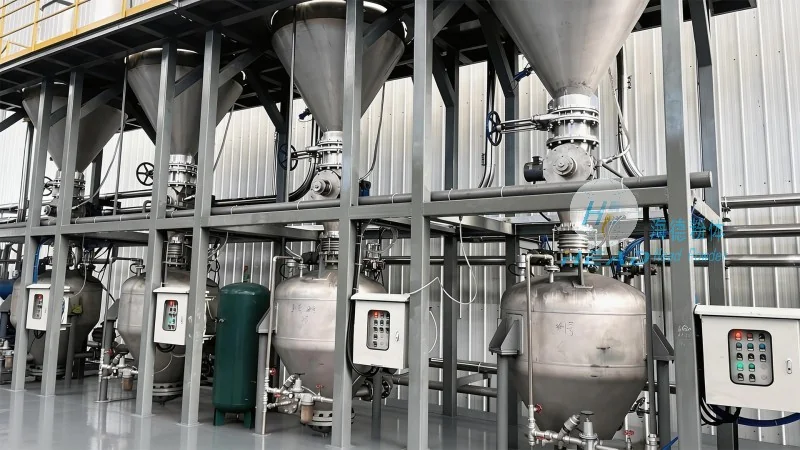
Application Scenarios and Industry Impact
The working scene characteristics of magnesium oxide pneumatic conveying equipment make it particularly suitable for several industrial applications. In the chemical industry, these systems are used to transport magnesium oxide from storage silos to reactors or processing units, ensuring a continuous and controlled supply of raw material. The ability to handle high volumes and maintain material quality is essential for chemical processes that require precise material control. In the pharmaceutical industry, the system's ability to prevent contamination and maintain material purity is critical, as magnesium oxide is used as an excipient or active ingredient in various medications. The enclosed design and controlled air flow minimize the risk of cross-contamination, meeting stringent regulatory requirements. Similarly, in the food processing industry, the system is used to transport magnesium oxide used as a food additive or in food manufacturing processes. The system's hygienic design and ability to handle food-grade materials ensure compliance with food safety standards. In addition to these industries, the equipment is also used in the mining and mineral processing sectors, where magnesium oxide is extracted from ore and needs to be transported to processing facilities. The system's robust design and ability to handle abrasive materials make it suitable for these harsh environments. Overall, the working scene characteristics of magnesium oxide pneumatic conveying equipment have a significant impact on industrial operations, improving efficiency, reducing costs, and ensuring material quality.