

Principle and Working Scene Characteristics of Pneumatic Conveying Equipment for Fine Polished Sand
For industrial operations dealing with fine polished sand materials, efficient and reliable material handling is crucial. Pneumatic conveying equipment offers a sophisticated solution that addresses the unique challenges associated with transporting such delicate and often abrasive materials. This article explores the fundamental principles behind pneumatic conveying systems and highlights the key characteristics of their working environments, with a focus on applications in the fine polished sand industry.
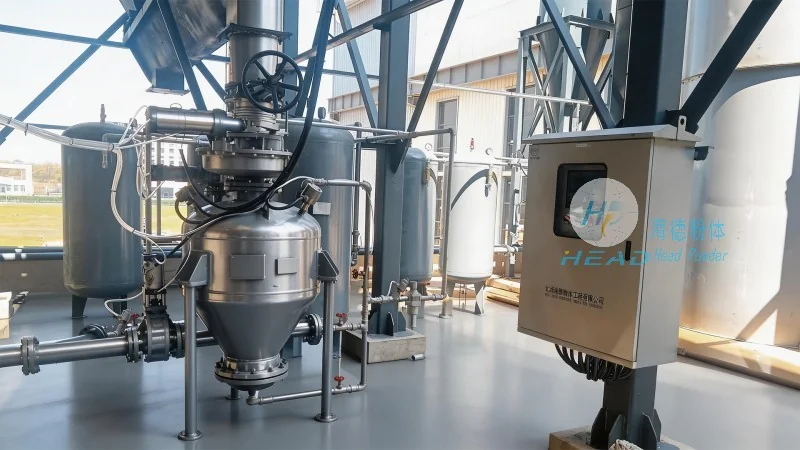
Understanding Pneumatic Conveying Principles
Pneumatic conveying equipment operates by using air or gas to transport solid materials through a pipeline system. The core principle involves creating a pressure or suction differential that propels the material from the source to the destination. There are primarily two types of pneumatic conveying systems: pressure and vacuum. Pressure systems use compressed air to push the material forward, while vacuum systems employ a vacuum to draw the material into the pipeline. For fine polished sand, which requires gentle handling to prevent particle damage or degradation, a combination of these principles is often employed to achieve optimal transport efficiency and material integrity.
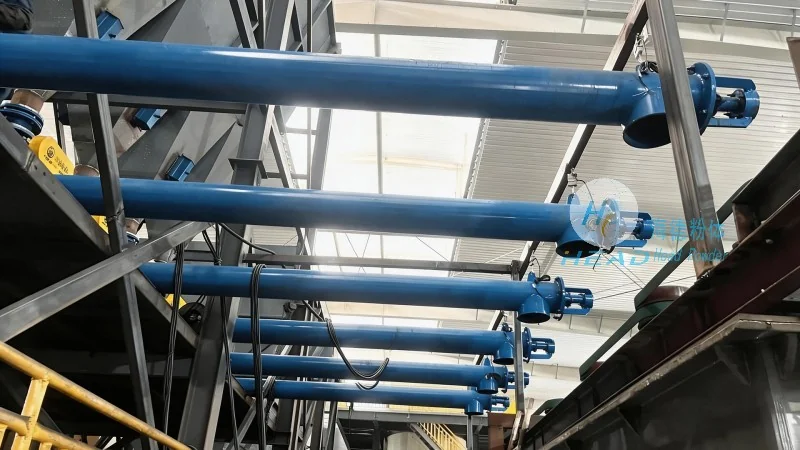
Key Working Scene Characteristics of Pneumatic Conveying for Fine Polished Sand
The working environment of pneumatic conveying equipment for fine polished sand is characterized by several critical factors that influence system design and performance. Firstly, the material's particle size and density play a significant role. Fine polished sand typically consists of small, uniform particles that can be prone to caking or agglomeration if not handled carefully. Therefore, equipment must be designed with features that prevent particle sticking to pipelines and ensure consistent flow. Secondly, the need for low-impact transport is paramount. Abrasive or delicate particles, like those in polished sand, require systems that minimize friction and impact forces to maintain the material's quality and prevent equipment wear. This often involves using smooth, corrosion-resistant pipelines and specialized valves that open and close gently.
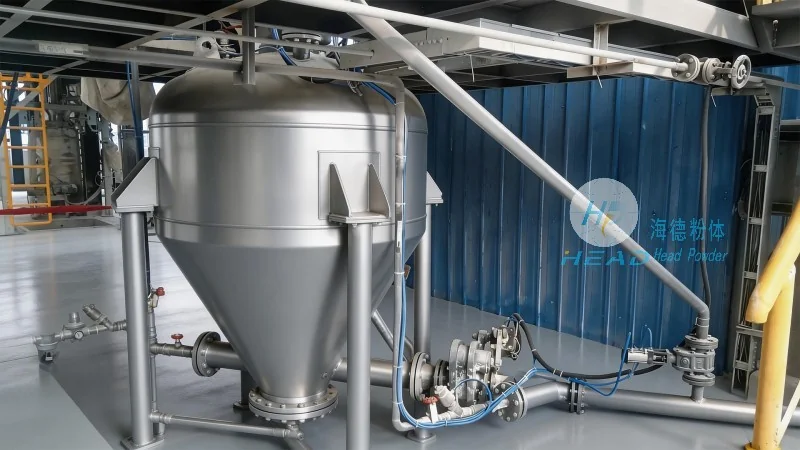
Application Scenarios and Operational Efficiency
Pneumatic conveying systems are widely utilized in various industrial settings where fine polished sand is processed or transported. For instance, in foundries or metalworking facilities, these systems are employed to move sand from storage silos to molding machines or casting lines. The ability to convey materials directly from storage to processing points without intermediate handling reduces downtime and improves overall production flow. Additionally, in recycling or reclamation operations, pneumatic conveyors efficiently transport sand from waste streams to reprocessing units, supporting sustainable material management practices. The flexibility of pneumatic systems allows them to adapt to different operational needs, such as varying material volumes or processing requirements, making them a versatile choice for industrial applications.
Reliability and Maintenance Considerations
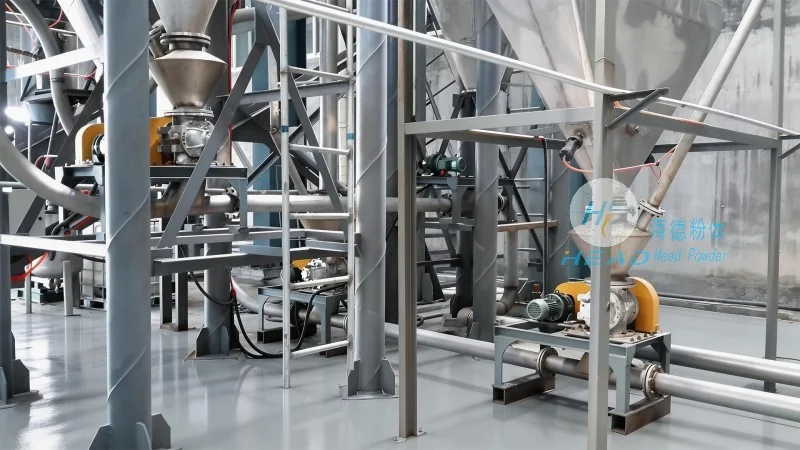
Ensuring the long-term performance of pneumatic conveying equipment for fine polished sand requires careful consideration of maintenance and operational reliability. Regular maintenance is essential to prevent system failures that could disrupt production. This includes monitoring air pressure and flow rates, inspecting pipelines for blockages or wear, and maintaining the condition of components like filters and valves. The use of high-quality materials, such as stainless steel for pipelines and wear-resistant components for moving parts, enhances the durability of the equipment and reduces the frequency of maintenance. Moreover, modern pneumatic conveying systems often incorporate advanced control technologies, such as variable frequency drives and automated monitoring systems, which help optimize performance and detect potential issues before they lead to system downtime.
Conclusion
Pneumatic conveying equipment for fine polished sand materials represents a sophisticated and efficient solution for industrial material handling. By understanding the fundamental principles of pneumatic transport and the specific characteristics of the working environment, manufacturers can design systems that meet the unique demands of fine polished sand applications. The reliability, flexibility, and low-impact nature of these systems make them indispensable in industries where material quality and operational efficiency are paramount. As a leading provider in this field, Shandong HeadPowder Engineering Co., Ltd. specializes in developing tailored pneumatic conveying solutions that address the specific needs of clients dealing with fine polished sand, ensuring optimal performance and material integrity throughout the transport process.