

Airflow Conveying System for Lithium-Ion Battery Positive Electrode Materials
Efficient material handling is a critical component in the production of lithium-ion batteries, particularly when dealing with positive electrode materials. The airflow conveying system has emerged as a highly effective solution for transporting these materials with precision and reliability. This system is designed to meet the stringent requirements of modern battery manufacturing, ensuring that the positive electrode powders are handled safely, efficiently, and in compliance with industry standards.
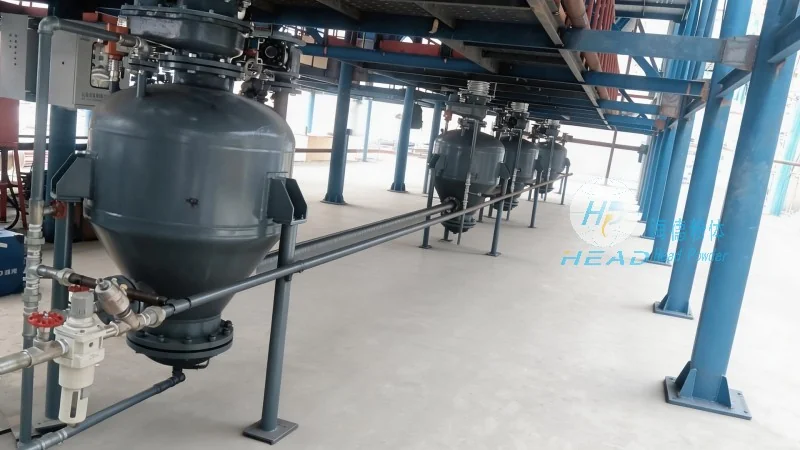
HeadPowder: A Leader in Engineering Solutions for Battery Materials
Shandong HeadPowder Engineering Co., Ltd., a prominent engineering firm based in Shandong, China, specializes in the design and implementation of advanced material handling systems. With a strong focus on innovation and customer-centric solutions, HeadPowder has established itself as a trusted partner for companies in the battery and energy storage sectors. The company’s expertise lies in creating customized airflow conveying systems tailored to the unique needs of each client, ensuring optimal performance and operational efficiency.
Key Features of the Airflow Conveying System
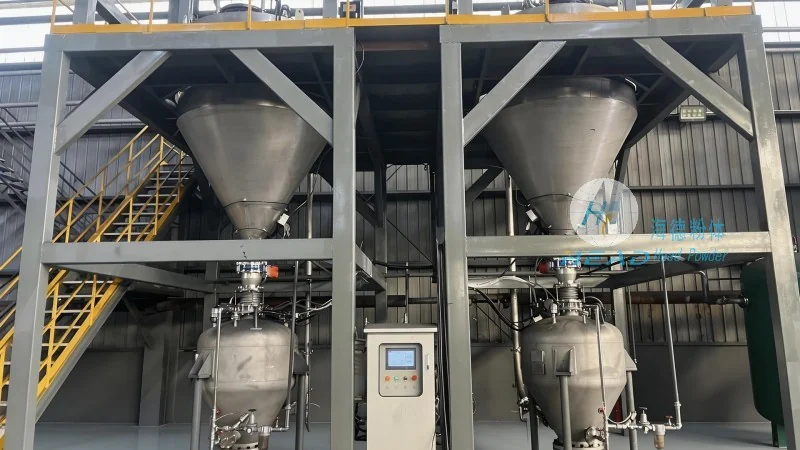
The airflow conveying system for lithium-ion battery positive electrode materials incorporates several key features that enhance its functionality and reliability. One of the primary advantages is its ability to handle fine powders without causing agglomeration or loss of material. The system uses a combination of air pressure and specialized nozzles to transport the powders through pipelines, minimizing the risk of contamination and ensuring consistent particle size distribution. This is particularly important for positive electrode materials, which require precise control over particle characteristics to achieve optimal battery performance.
Another significant feature is the system’s modular design, which allows for easy integration with existing production lines. HeadPowder engineers can customize the system to fit specific space constraints and production volumes, ensuring that it aligns seamlessly with the client’s operational workflow. The system also includes advanced monitoring and control capabilities, enabling real-time tracking of material flow rates and pressure levels. This allows for immediate adjustments to maintain optimal performance and prevent downtime.
Advantages in Battery Manufacturing
Implementing an airflow conveying system for lithium-ion battery positive electrode materials offers numerous advantages for manufacturers. First and foremost, it significantly improves operational efficiency by reducing the time and labor required for material transport. Traditional methods, such as manual handling or mechanical conveyors, are often slower and more prone to errors. The air-based system, on the other hand, can transport materials over long distances with minimal energy consumption, leading to cost savings and increased productivity.
Furthermore, the system enhances safety in the workplace. By eliminating the need for manual handling of powders, it reduces the risk of respiratory issues and other health hazards associated with fine particulate matter. The enclosed system design also prevents dust emissions, contributing to a cleaner and more environmentally friendly manufacturing environment. This is especially important in the battery industry, where regulatory compliance and environmental responsibility are increasingly critical.
Another key advantage is the system’s ability to maintain the quality of the positive electrode materials. The controlled airflow and low shear forces prevent particle degradation, ensuring that the materials retain their desired properties throughout the conveying process. This leads to higher quality batteries with improved performance and longer lifespans. Manufacturers can therefore rely on the system to deliver consistent, high-quality output, which is essential for meeting market demands and maintaining competitive advantage.
Customization and Application Scope
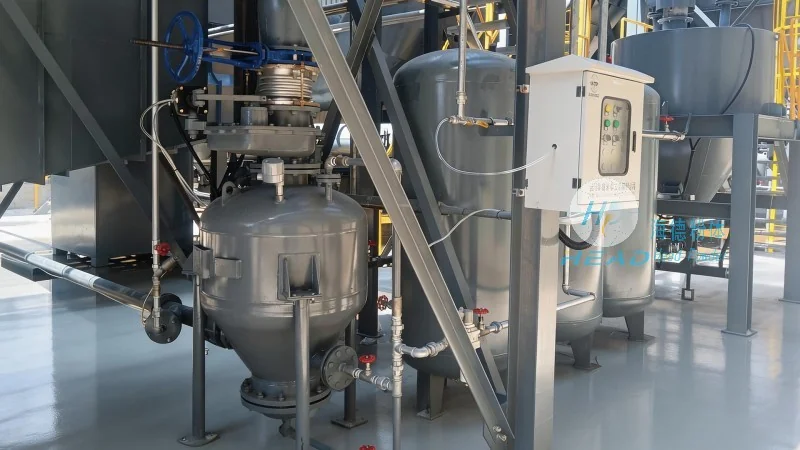
HeadPowder understands that each battery manufacturing facility has unique requirements. Therefore, the airflow conveying system is highly customizable to accommodate different types of positive electrode materials, including those with varying particle sizes, moisture content, and chemical properties. The system can be adapted to handle materials such as lithium cobalt oxide (LCO), lithium nickel manganese cobalt oxide (NMC), and lithium iron phosphate (LFP), among others. This flexibility makes it suitable for a wide range of battery applications, from small-scale research and development to large-scale commercial production.
The system is also designed to be scalable, allowing manufacturers to start with a basic configuration and expand it as their production needs grow. This scalability ensures that the investment in the system remains cost-effective over time. Whether a company is producing small batches of prototype batteries or large volumes for commercial use, the airflow conveying system can be tailored to meet those needs. HeadPowder’s engineering team works closely with clients to assess their specific requirements and develop a solution that maximizes efficiency and minimizes operational costs.
Conclusion and Future Outlook
In conclusion, the airflow conveying system for lithium-ion battery positive electrode materials is a sophisticated and effective solution that addresses the critical material handling challenges in modern battery manufacturing. By leveraging advanced engineering and innovative design, HeadPowder has developed a system that enhances efficiency, safety, and material quality. The company’s commitment to customization and client satisfaction ensures that each system is tailored to meet the unique needs of its users, providing a reliable and sustainable solution for the battery industry. As the demand for lithium-ion batteries continues to grow, the importance of efficient material handling will only increase, making systems like this a vital component of future battery production.