

The Working Principle and Features of a Dry Desulfurizer Pneumatic Conveying System
For industrial applications, the efficient and reliable handling of dry desulfurizers is crucial for maintaining optimal environmental performance and operational efficiency. A dry desulfurizer pneumatic conveying system represents a sophisticated solution designed to transport these specialized materials with precision and control. This article delves into the working principle and key features of such a system, providing insights into its functionality and benefits.
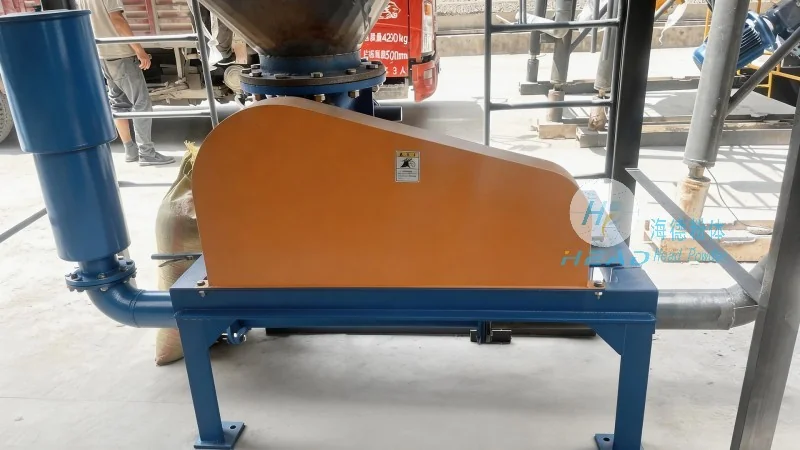
Overview of the Dry Desulfurizer Pneumatic Conveying System
The dry desulfurizer pneumatic conveying system is a specialized equipment setup used in industrial processes, particularly in power plants and other facilities that employ dry flue gas desulfurization (FGD) technologies. Its primary function is to transport dry desulfurizing agents, such as limestone or other alkaline materials, from storage silos to the reaction point in the FGD system. This system ensures that the desulfurizer is delivered in a controlled manner, maintaining consistent flow rates and preventing material degradation or loss during transit.
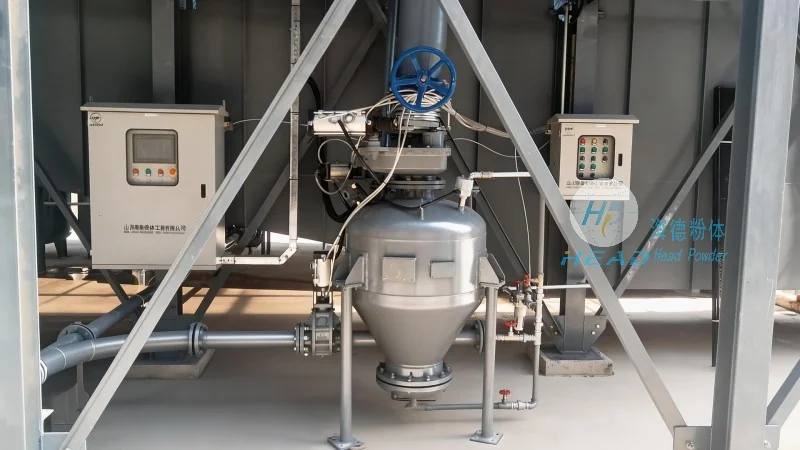
The Working Principle of the System
The operation of a dry desulfurizer pneumatic conveying system is based on the principles of pneumatic transport, which utilizes air or gas as the conveying medium to move solid particles. The system typically consists of several key components, including a material hopper, a rotary feeder, a conveying line, and a dust collection system. The process begins with the desulfurizer being stored in a hopper. A rotary feeder then meters the material at a controlled rate, feeding it into a conveying line. Air is then introduced into the line, creating a low-pressure or high-pressure environment that propels the material forward. The conveying line may include bends, expansions, and other components to navigate the material to the desired destination, such as the spray dryer absorber or the reaction tower in the FGD system. At the receiving end, the material is deposited into the reaction chamber, where it reacts with sulfur dioxide (SO₂) in the flue gas to form calcium sulfite or calcium sulfate, effectively reducing emissions.
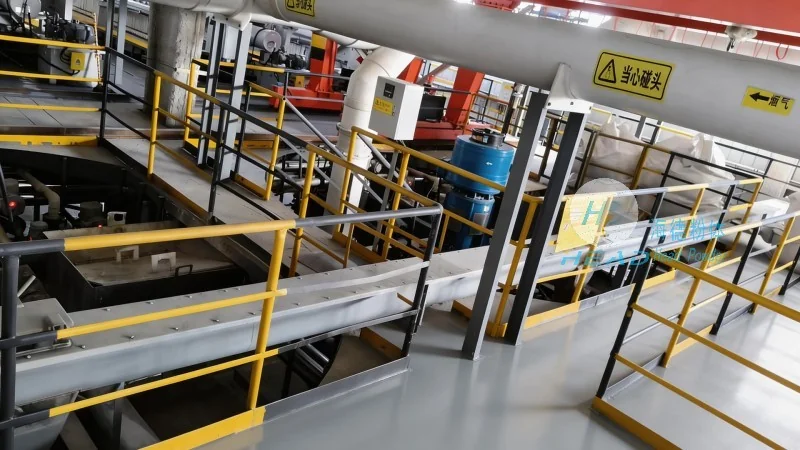
Key Features and Advantages of the System
Several notable features distinguish the dry desulfurizer pneumatic conveying system, making it an attractive choice for industrial applications. Firstly, the system offers high efficiency in material transport, ensuring consistent and reliable delivery of desulfurizer to the reaction point. This consistency is vital for maintaining the effectiveness of the FGD process, as it prevents fluctuations in SO₂ removal efficiency. Secondly, the system is designed for minimal material loss and degradation. By using a closed-loop conveying system with proper sealing and filtration, it reduces the risk of dust emissions and material spillage, enhancing both operational safety and environmental compliance. Thirdly, the system is highly adaptable, capable of handling various types of dry desulfurizers with different particle sizes and flow characteristics. This flexibility allows it to be integrated into existing FGD systems or used in new installations. Additionally, the system is energy-efficient, as it minimizes the need for mechanical conveying equipment and reduces the overall energy consumption associated with material handling. Finally, the system contributes to improved plant safety by eliminating the need for manual handling of bulk materials, which can be hazardous in industrial environments.
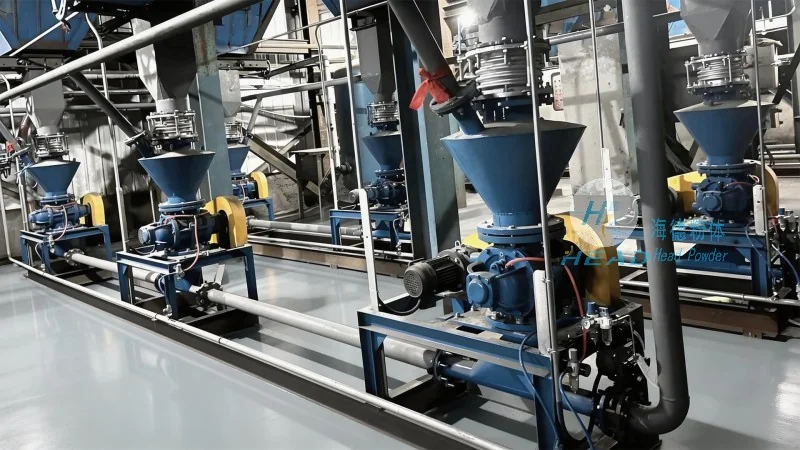
About Shandong HeadPowder Engineering Co., Ltd.
Shandong HeadPowder Engineering Co., Ltd., commonly known as HeadPowder, is a leading provider of engineering solutions for industrial material handling and environmental control systems. With a strong focus on innovation and quality, the company specializes in the design, manufacturing, and installation of dry desulfurizer pneumatic conveying systems and other related equipment. HeadPowder has extensive experience in serving power plants, chemical facilities, and other industrial sectors, helping clients achieve optimal performance and compliance with environmental regulations. The company's commitment to customer satisfaction and technical excellence has established it as a trusted partner in the field of industrial engineering. HeadPowder's headquarters is located in Shandong, China, where the company maintains its research and development facilities, ensuring continuous improvement and adaptation to evolving industry needs.