

Operation Process and Working Principle of Algae Powder Pneumatic Conveying Equipment
Algae powder, a valuable resource in the field of biofuels and organic fertilizers, often requires efficient and reliable transportation systems to move it from production sites to processing facilities or storage areas. The pneumatic conveying equipment developed by Shandong HeadPowder Engineering Co., Ltd. addresses this need with a sophisticated system designed to handle the unique characteristics of algae powder. This article explores the operation process and working principle of such equipment, highlighting the key components and the steps involved in the conveying process.
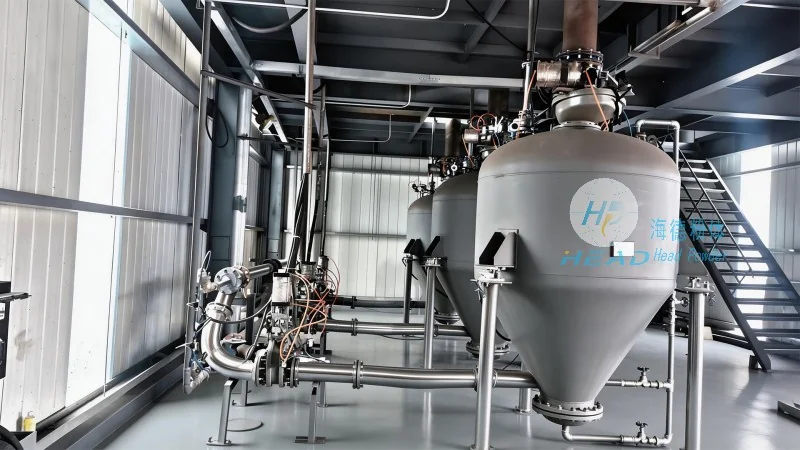
Overview of the Pneumatic Conveying System for Algae Powder
The pneumatic conveying system for algae powder is a closed-loop system that uses compressed air to transport the powder material. It is composed of several key components, including a hopper, a rotary valve, a conveying pipe, a separator, and a receiver. Each component plays a crucial role in ensuring the efficient and safe transport of algae powder. The system is designed to minimize material loss, prevent contamination, and maintain consistent flow rates, which are critical for maintaining the quality of the algae powder.
Key Components and Their Functions
The hopper serves as the storage and feeding unit, where the algae powder is loaded and then fed into the system through a rotary valve. The rotary valve controls the flow rate of the powder by regulating the amount of material that enters the conveying pipe. The conveying pipe is the main channel through which the powder is transported, and it is typically made of stainless steel to prevent corrosion and ensure durability. The separator is an essential component that separates the powder from the air as it exits the conveying pipe, allowing the powder to be collected in the receiver while the air is either recirculated or discharged. The receiver is the final storage container where the conveyed algae powder is collected before being transferred to the next stage of processing.
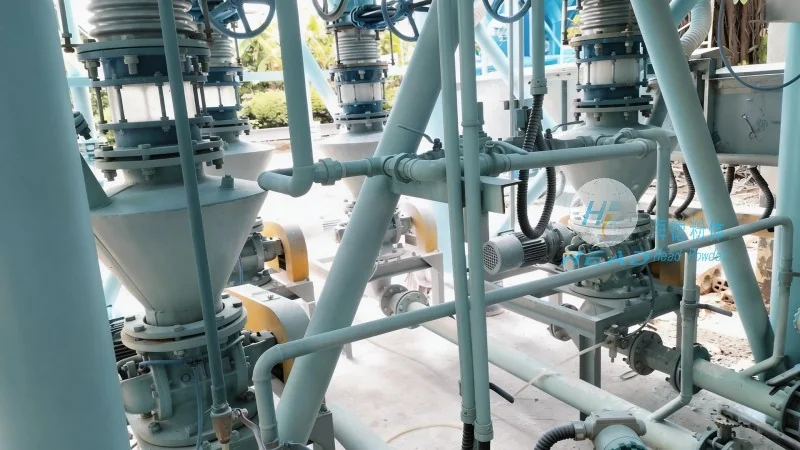
The Operation Process of the Pneumatic Conveying Equipment
The operation process of the pneumatic conveying equipment for algae powder involves several sequential steps. First, the algae powder is loaded into the hopper. The rotary valve then starts to rotate, allowing the powder to be fed into the conveying pipe at a controlled rate. Simultaneously, compressed air is introduced into the conveying pipe, creating a pressure differential that propels the powder forward. As the powder travels through the pipe, it is mixed with the air, forming a slurry-like mixture. The mixture then reaches the separator, where the powder is separated from the air by a cyclone or other separation mechanism. The separated powder falls into the receiver, while the air is either filtered and recirculated back into the system or released to the atmosphere. This process continues until the hopper is emptied or the desired amount of powder has been conveyed.
Working Principle of the Pneumatic Conveying System
The working principle of the pneumatic conveying system is based on the principles of fluid dynamics and particle transport. When compressed air is introduced into the conveying pipe, it creates a low-pressure zone behind the powder, which pulls the powder forward. The air flow velocity is maintained at a level that is sufficient to keep the powder particles suspended and prevent them from settling or clogging the pipe. The system operates under either positive pressure or negative pressure, depending on the specific design and the distance the powder needs to be transported. Positive pressure systems are typically used for short to medium distances, while negative pressure systems are used for longer distances or when the powder needs to be transported from a higher elevation to a lower one. The efficiency of the system is influenced by factors such as the particle size of the algae powder, the moisture content, and the air flow rate. Proper adjustment of these parameters is essential to ensure optimal performance and to prevent issues such as blockages or material degradation.
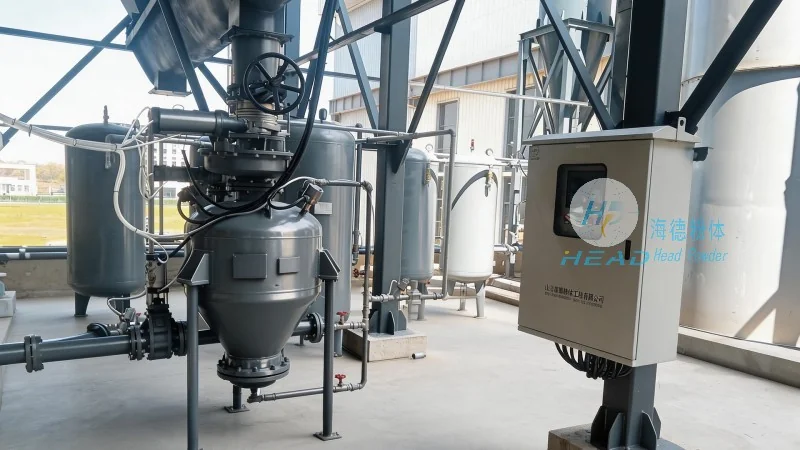
Advantages of Using Pneumatic Conveying for Algae Powder
Compared to traditional mechanical conveying methods, such as belt conveyors or screw conveyors, pneumatic conveying offers several advantages when handling algae powder. One of the primary advantages is the ability to transport the powder in a closed system, which prevents contamination from external sources and minimizes dust emissions. This is particularly important for algae powder, which can be sensitive to moisture and air exposure. Another advantage is the flexibility of the system, as it can be easily adjusted to handle different flow rates and distances. Additionally, pneumatic conveying systems can be designed to handle a wide range of particle sizes and moisture contents, making them suitable for various applications in the algae industry. The system also reduces labor costs and improves safety by eliminating the need for manual handling of the powder, which can be dusty and potentially hazardous.
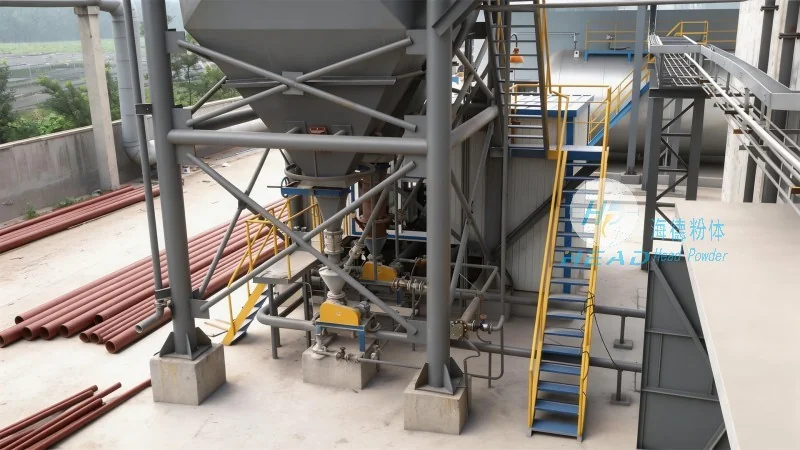
Maintenance and Troubleshooting Tips
To ensure the long-term performance and reliability of the pneumatic conveying equipment, regular maintenance is essential. Some common maintenance tasks include cleaning the hopper and conveying pipe to prevent clogging, checking the air pressure and flow rate to ensure optimal operation, and inspecting the rotary valve and separator for wear and tear. Troubleshooting is also important to address any issues that may arise during operation. Common problems include blockages in the pipe, which can be caused by excessive moisture or agglomeration of the powder, and air leaks, which can reduce the efficiency of the system. By addressing these issues promptly, the system can be kept in good working condition and maintain its performance over time.
Conclusion
The pneumatic conveying equipment developed by Shandong HeadPowder Engineering Co., Ltd. provides an efficient and reliable solution for transporting algae powder. By understanding the operation process and working principle of the system, users can optimize its performance and ensure the quality of the conveyed material. With proper maintenance and operation, this equipment can contribute to the overall efficiency and productivity of algae processing facilities, supporting the growth of the biofuel and organic fertilizer industries.