

Operation Process and Working Principle of Coal Ash Granular Material Pneumatic Conveying Line
Coal ash granular material pneumatic conveying lines are essential equipment in industrial settings where the efficient and safe transport of coal ash particles is required. These systems utilize air as the primary medium to move granular materials through a network of pipes, offering a flexible and often more cost-effective alternative to traditional mechanical conveying methods. The operation of such lines involves several key steps and principles that ensure reliable and continuous material transport.
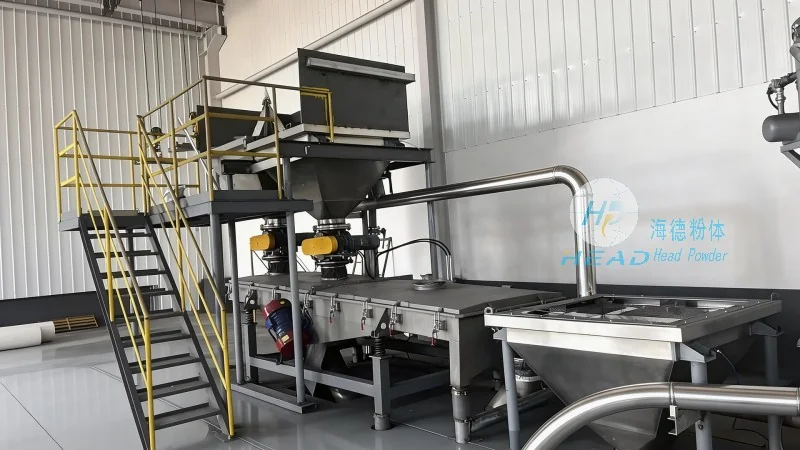
Overview of the Pneumatic Conveying System
The coal ash granular material pneumatic conveying line typically consists of several core components, including a material hopper, a blower or compressor, a pipeline system, and a discharge unit. The material hopper stores the coal ash granules, which are then fed into the system under controlled conditions. The blower generates the necessary air pressure to move the particles through the pipeline. The pipeline network is designed to handle the specific characteristics of coal ash, such as particle size, density, and moisture content, ensuring optimal flow and minimal pressure drop.
Working Principle of the System
The fundamental principle behind the operation of a coal ash granular material pneumatic conveying line is the use of air to create a fluidized or suspended state of the material particles. When the blower operates, it draws air into the system and forces it through the pipeline. As the air flows, it lifts the coal ash granules from the hopper and carries them along the pipeline to the discharge point. The velocity of the air and the design of the pipeline determine the conveying capacity and the pressure required for the process. Proper design ensures that the air velocity is sufficient to keep the particles suspended without causing excessive wear on the system components.
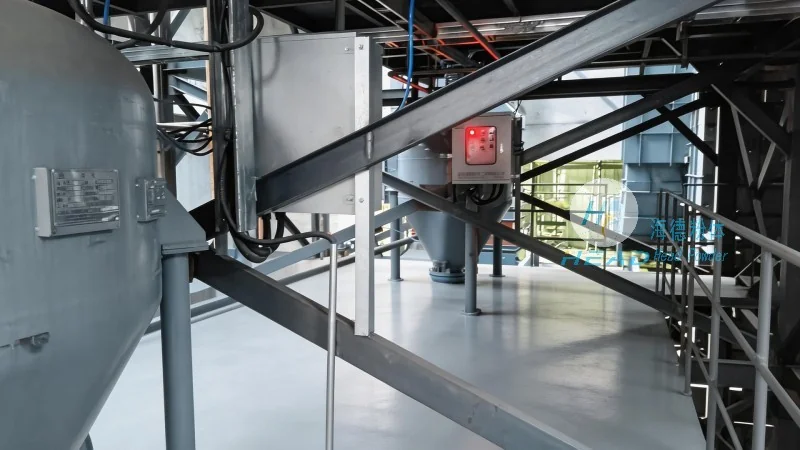
Key Operational Steps in the Conveying Process
The operation of the coal ash granular material pneumatic conveying line involves a sequence of steps that are crucial for maintaining efficiency and preventing system failures. First, the coal ash granules are loaded into the material hopper, where they are stored until needed. A feeder mechanism then controls the flow of material from the hopper into the pipeline, ensuring a consistent feed rate. The blower then starts, creating the necessary air pressure to initiate the conveying process. As the material is conveyed, it travels through the pipeline network, which may include bends, expansions, or other components designed to maintain the flow. Finally, the material is discharged at the receiving end, where it is collected for further processing or disposal.
Factors Influencing System Performance
Several factors can impact the performance of a coal ash granular material pneumatic conveying line. These include the particle size distribution of the coal ash, the moisture content, the air velocity, and the pipeline diameter. Larger or heavier particles may require higher air velocities or larger pipe diameters to ensure proper conveying. Moisture content can affect the flow characteristics, potentially leading to blockages or increased wear. Proper system design and maintenance are essential to mitigate these issues and ensure consistent performance. Regular monitoring of air pressure, flow rates, and material feed rates helps in identifying and addressing any operational issues promptly.
Advantages of Pneumatic Conveying for Coal Ash Transport
Compared to traditional mechanical conveying methods, coal ash granular material pneumatic conveying lines offer several advantages. These include the ability to transport materials over long distances without the need for multiple transfer points, reduced labor costs due to automated operation, and improved safety by minimizing human exposure to the material. Additionally, pneumatic systems can handle a wide range of particle sizes and can be easily integrated with other industrial processes. The flexibility of the system allows for adjustments in conveying capacity and direction, making it suitable for various industrial applications.
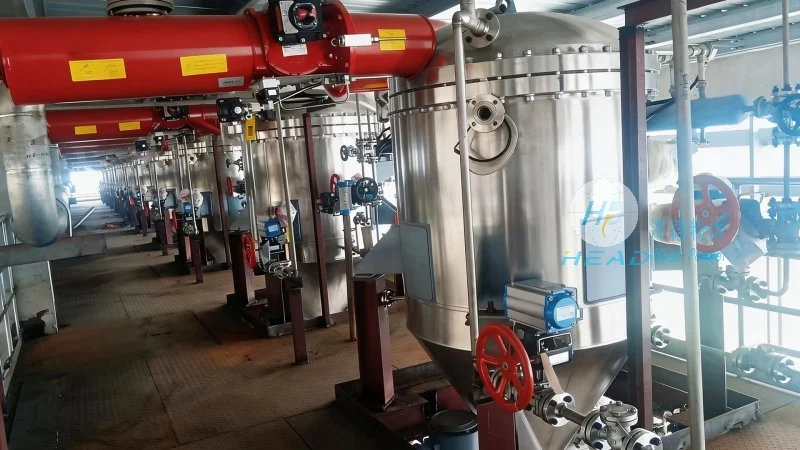
Applications in Industrial Settings
Coal ash granular material pneumatic conveying lines are widely used in various industrial sectors, including power generation, cement production, and waste management. In power plants, these systems are used to transport coal ash from the boiler to storage facilities or for further use in other processes. In cement plants, coal ash is often used as a supplementary cementitious material, and pneumatic conveying lines facilitate its transport from storage to the production line. In waste management facilities, the system helps in the efficient handling and disposal of coal ash, contributing to environmental sustainability.
Conclusion
Coal ash granular material pneumatic conveying lines are sophisticated systems that combine advanced engineering principles with practical application to ensure efficient and reliable transport of coal ash particles. The operation process involves careful control of material feed, air pressure, and pipeline design to achieve optimal performance. By understanding the working principles and operational steps, industrial facilities can effectively utilize these systems to enhance productivity and safety in their operations. As a leading provider in this field, Shandong HeadPowder Engineering Co., Ltd. specializes in designing and manufacturing such systems tailored to meet the specific needs of industrial clients, ensuring high-quality and reliable performance.