

Operation Process and Working Principle of Barite Powder Material Pneumatic Conveying Line
Barite powder, a crucial industrial mineral, often requires efficient and reliable transportation methods to move it from storage to processing or packaging units. Pneumatic conveying lines offer a sophisticated solution for handling such materials, ensuring minimal dust generation, reduced material degradation, and enhanced safety in industrial operations. This article delves into the operation process and working principles of a barite powder material pneumatic conveying line, highlighting the technical aspects and practical applications in industrial settings.
About HeadPowder Engineering
HeadPowder, operating as Shandong HeadPowder Engineering Co., Ltd., specializes in the design, manufacturing, and installation of advanced material handling systems. With a focus on precision engineering and customer-centric solutions, the company has established itself as a trusted provider in the field of pneumatic conveying technology. HeadPowder’s facilities are located in Shandong, China, where they leverage local expertise and resources to deliver high-quality equipment tailored to the unique needs of various industries.
Overview of the Pneumatic Conveying Line
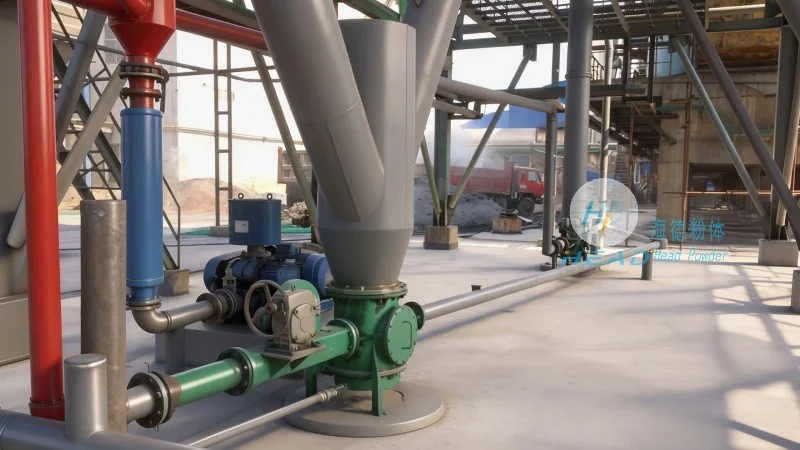
A pneumatic conveying line for barite powder typically consists of several key components, including a hopper for material storage, a feeder to control the flow rate, a conveying pipeline, a dust collector to manage airborne particles, and a discharge unit for material release. The system operates by using compressed air to transport the powder through the pipeline, ensuring a continuous and controlled flow of material. This method is particularly advantageous for barite powder due to its fine particle size and tendency to generate dust during traditional handling methods.
Operation Process of the Barite Powder Pneumatic Conveying Line
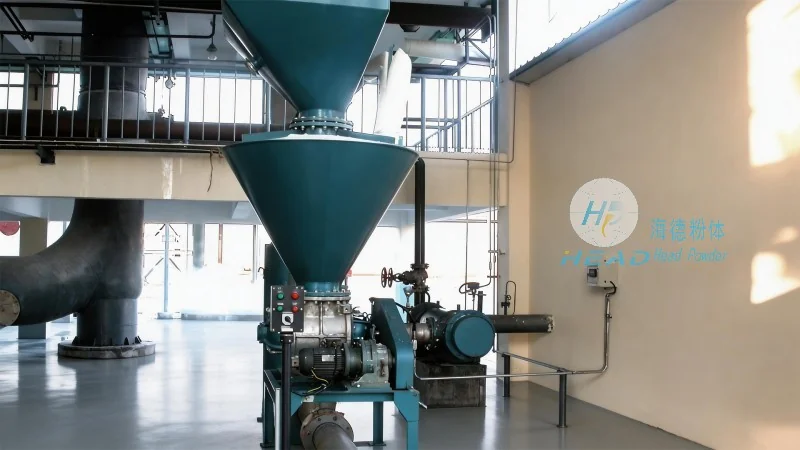
The operation of a barite powder pneumatic conveying line involves a series of coordinated steps to ensure smooth material transfer. The process begins with the loading of barite powder into the storage hopper. The hopper is equipped with a level indicator to monitor the material volume, and a discharge valve controls the initial flow. Next, the feeder unit, often a rotary valve or a screw feeder, regulates the amount of powder released into the conveying pipeline. The feeder operates at a controlled speed to maintain a consistent flow rate, preventing overloading or underloading of the system.
Once the powder enters the pipeline, compressed air is introduced at the inlet of the conveying line. The air velocity is carefully managed to achieve a stable suspension of the powder particles, ensuring they remain airborne and travel through the pipeline without settling. The conveying pipeline is designed with appropriate bends and fittings to minimize pressure losses and maintain the flow efficiency. At the receiving end, the material is discharged into a collection bin or a processing unit. The system may include a venturi or a cyclone separator to separate the powder from the air stream, with the air being filtered and recycled back into the system to conserve energy and reduce environmental impact.
Working Principles of the Pneumatic Conveying System
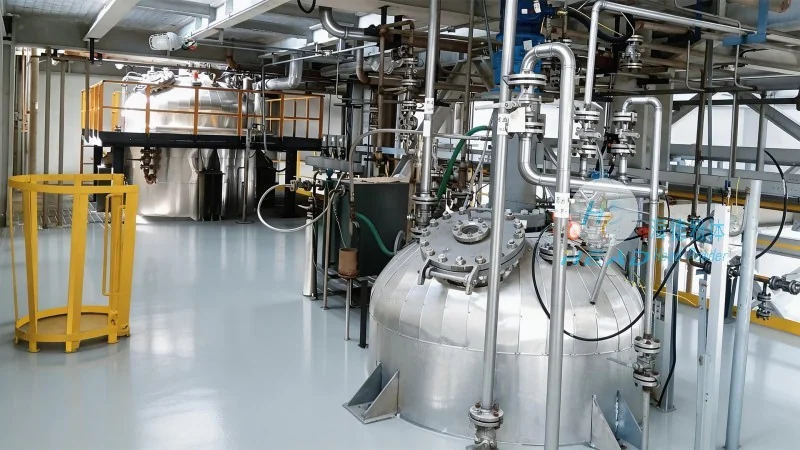
The core working principle of the pneumatic conveying line is based on the interaction between the powder particles and the air flow. The system utilizes a combination of pressure and velocity to transport the material. In a positive pressure system, compressed air is supplied to the pipeline, creating a pressure differential that propels the powder forward. The air velocity must be sufficient to overcome the gravitational force acting on the powder particles and maintain their suspension. The pressure drop along the pipeline is a critical factor, as it determines the energy required to move the material and the overall efficiency of the system.
For barite powder, which has a relatively high density and fine particle size, the system may employ a high-velocity, low-pressure design to achieve optimal conveying performance. The use of a venturi or a pressure drop device at the discharge end helps to accelerate the powder and ensure complete separation from the air. The dust collector, typically a baghouse or an electrostatic precipitator, captures any fine particles that may escape the conveying pipeline, ensuring compliance with environmental regulations and maintaining a clean working environment.
Key Components and Their Functions
Several critical components contribute to the effective operation of the barite powder pneumatic conveying line. The storage hopper provides a large capacity for material storage, with a conical bottom to facilitate smooth discharge. The feeder unit, such as a rotary valve, controls the flow rate by rotating and releasing material in controlled increments. The conveying pipeline is made of materials resistant to corrosion and abrasion, such as stainless steel or polyethylene, to withstand the abrasive nature of barite powder and the effects of compressed air. The dust collector is designed to handle the high volume of air and capture fine particles, with filtration media that can be cleaned or replaced as needed.
Advantages of Using Pneumatic Conveying for Barite Powder
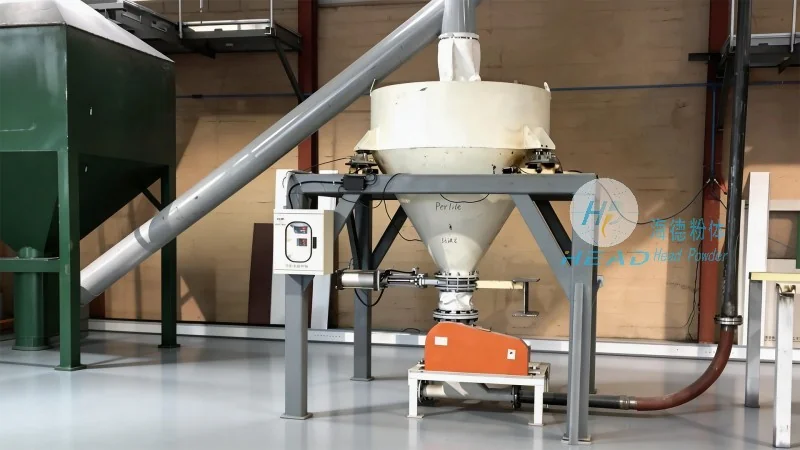
Implementing a pneumatic conveying line for barite powder offers several advantages over traditional handling methods. First, it significantly reduces dust generation, improving workplace safety and compliance with environmental standards. Second, the system minimizes material degradation by avoiding contact with mechanical components, which can cause attrition or agglomeration. Third, the continuous flow of material ensures consistent production rates and reduces downtime associated with manual handling. Additionally, the system is compact and can be integrated into existing industrial layouts, making it a flexible solution for various applications.
Conclusion and Application Scope
Barite powder material pneumatic conveying lines, as described, represent a sophisticated and efficient solution for handling fine industrial powders. The operation process, which involves precise control of material flow and air pressure, ensures reliable and consistent performance. The working principles, centered on the suspension of particles in air, enable the system to transport materials over long distances with minimal energy consumption. HeadPowder Engineering, with its expertise in material handling systems, provides tailored solutions that meet the specific requirements of industries dealing with barite powder, contributing to enhanced operational efficiency and safety.