

Operation Process and Working Principle of an Alumina Powder Material Pneumatic Conveying Line
HeadPowder, a leading engineering company based in Shandong, China, specializes in the design, manufacturing, and installation of advanced pneumatic conveying systems for handling alumina powder. This article provides a detailed overview of the operation process and working principle of an alumina powder material pneumatic conveying line, highlighting the key components, operational steps, and technical advantages of such systems.
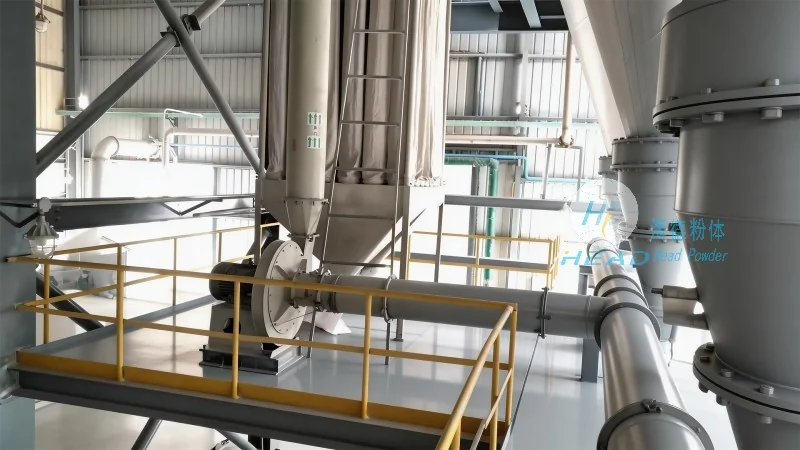
Introduction to Pneumatic Conveying Systems for Alumina Powder
Alumina powder, a critical raw material in various industrial applications including ceramics, refractories, and chemical manufacturing, requires efficient and reliable handling to ensure consistent quality and process efficiency. Pneumatic conveying systems offer a non-contact, dust-free method for transporting alumina powder from storage silos to processing units, minimizing material degradation and operational risks. The system operates by using compressed air or gas to move the powder through a network of pipes, ensuring smooth and controlled material flow.
Key Components of an Alumina Powder Pneumatic Conveying Line
The alumina powder pneumatic conveying line typically consists of several essential components that work in tandem to achieve effective material transport. These components include:
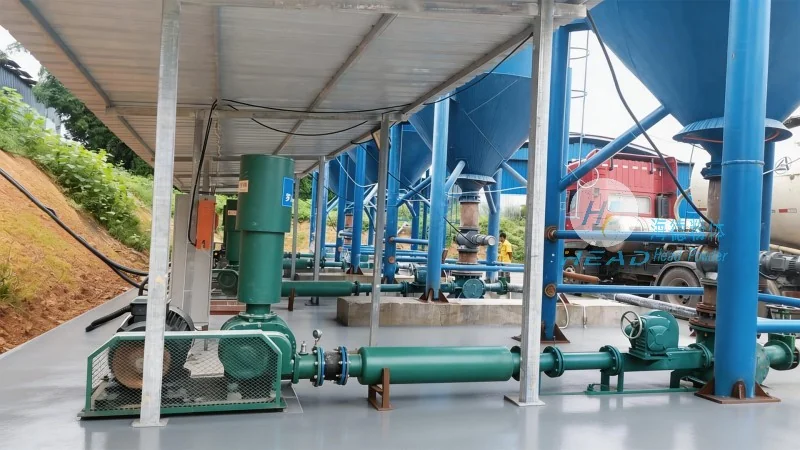
- Storage Silo: A large container used to store the alumina powder, providing a constant supply of material for the conveying process.
- Feed Hopper: A hopper connected to the storage silo, equipped with a rotary valve or feeder to control the flow rate of the alumina powder into the conveying line.
- Conveying Pipe Network: A series of pipes that form the main transport path for the alumina powder, designed with appropriate diameters and bends to minimize pressure loss and material deposition.
- Compressor or Air Supply Unit: A device that generates the necessary compressed air or gas to create the pressure differential required for material movement.
- Receiver or Discharge Hopper: A container at the end of the conveying line where the alumina powder is deposited, often equipped with a discharge valve or conveyor for further processing.
- Control System: An automated system that monitors and regulates the flow rate, pressure, and other parameters to ensure optimal operation and prevent system failures.
Working Principle of the Pneumatic Conveying Process
The working principle of an alumina powder pneumatic conveying line is based on the principle of fluidization and pressure differential. The process begins when the rotary valve in the feed hopper opens, allowing a controlled amount of alumina powder to enter the conveying pipe. Simultaneously, the compressor supplies compressed air into the pipe, creating a high-pressure environment. As the air and powder mixture moves through the pipe, the air velocity is maintained above the minimum fluidization velocity of the alumina powder, ensuring that the powder particles are suspended and transported efficiently.
The pressure drop along the pipe is managed by the design of the pipe network, including the use of expansion joints, bends, and filters to prevent blockages and maintain consistent flow. The receiver at the end of the line collects the conveyed powder, and the air is typically filtered and recycled back to the compressor to conserve energy and reduce waste.
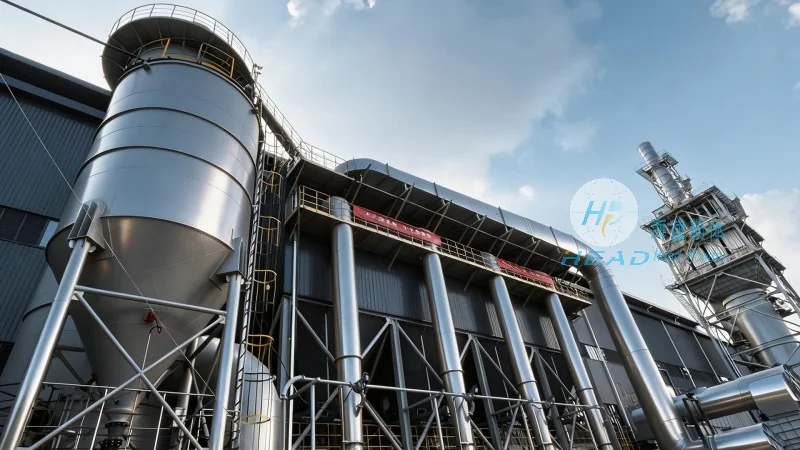
Operation Process of the Alumina Powder Pneumatic Conveying Line
The operation of an alumina powder pneumatic conveying line involves several sequential steps to ensure smooth and continuous material transport. The process starts with the preparation phase, where the storage silo is filled with alumina powder and the system is checked for proper functionality. Once the system is ready, the following steps are executed:
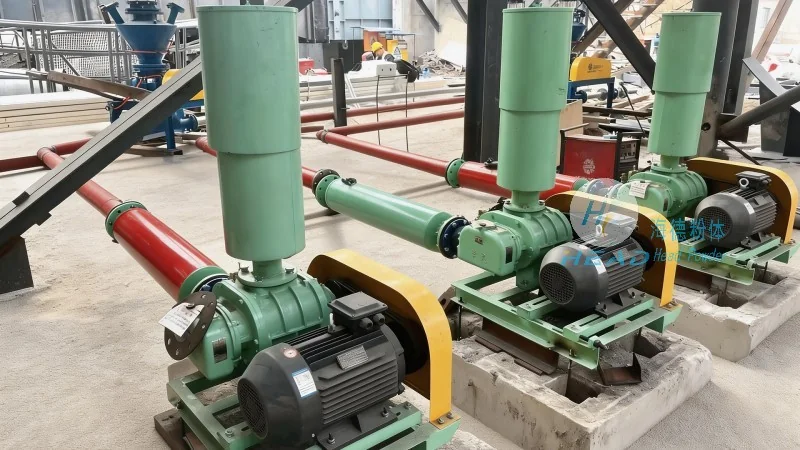
- System Startup: The compressor is activated, and the air supply is directed into the conveying pipe. The control system adjusts the pressure and flow rate to the optimal levels for the specific powder characteristics.
- Material Feeding: The rotary valve in the feed hopper opens, and the alumina powder is fed into the pipe at a controlled rate. The flow rate is adjusted based on the required throughput and system pressure.
- Conveying Phase: The compressed air and powder mixture travels through the pipe network, with the air velocity maintaining the powder in a suspended state. The system monitors pressure and flow to ensure no blockages occur.
- Discharge and Collection: At the receiver end, the alumina powder is deposited into the discharge hopper. The air is filtered and returned to the compressor, completing the cycle.
- System Shutdown: The compressor is turned off, and the system is depressurized. The rotary valve closes to prevent material leakage, and the system is prepared for the next operation cycle.
Technical Advantages of Alumina Powder Pneumatic Conveying Systems
Alumina powder pneumatic conveying systems offer several technical advantages over traditional mechanical conveying methods. These advantages include:
- Non-Contact Handling: The powder is transported without physical contact, reducing wear and tear on equipment and minimizing material contamination.
- Dust-Free Operation: The enclosed system prevents dust emissions, improving workplace safety and environmental compliance.
- Reduced Material Degradation: The gentle handling of the powder reduces attrition and agglomeration, preserving the quality of the alumina powder for downstream processes.
- Space Efficiency: The compact design of the pipe network allows for flexible installation in limited spaces, making it suitable for various industrial settings.
- Energy Efficiency: Advanced control systems optimize air usage, reducing energy consumption and operational costs.
Conclusion and Company Information
HeadPowder Engineering Co., Ltd., located in Shandong, China, is a trusted provider of alumina powder pneumatic conveying systems. By leveraging advanced engineering and manufacturing capabilities, HeadPowder ensures that its systems meet the highest standards of efficiency, reliability, and safety. The operation process and working principle of such systems are designed to deliver consistent performance, supporting the smooth operation of alumina powder handling in various industrial applications. For more information on our pneumatic conveying solutions, please contact us at our Shandong facility.