

Introduction to Pneumatic Conveying of Lithium-Ion Battery Powders and Structural Principles
Efficient and reliable material handling is a critical aspect of lithium-ion battery production, particularly when dealing with fine powders such as those used in battery cathodes and anodes. Pneumatic conveying systems have emerged as a preferred method for transporting lithium-ion battery powders due to their ability to minimize contamination, maintain material integrity, and ensure consistent flow rates. This article provides an overview of pneumatic conveying for lithium-ion battery powders, detailing the structural principles and operational considerations that make this technology effective in industrial settings.
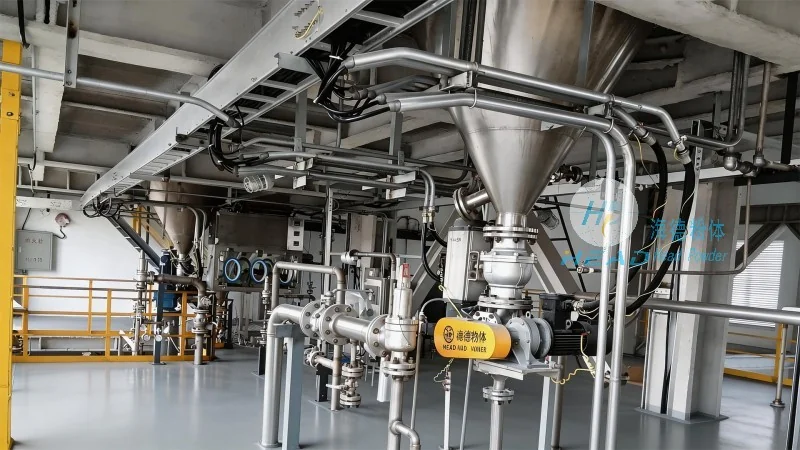
Understanding Pneumatic Conveying Systems for Lithium-Ion Battery Powders
Pneumatic conveying involves the use of air or other gases to transport bulk materials through a pipeline. In the context of lithium-ion battery powders, this method is particularly advantageous because it avoids direct contact between the powder and mechanical components, reducing the risk of contamination and degradation. The system typically consists of a feeding device, a conveying line, and a collection unit, all working in tandem to move the powder from the source to the processing equipment. The choice between positive and negative pressure systems depends on factors such as material properties, distance, and desired flow rates.
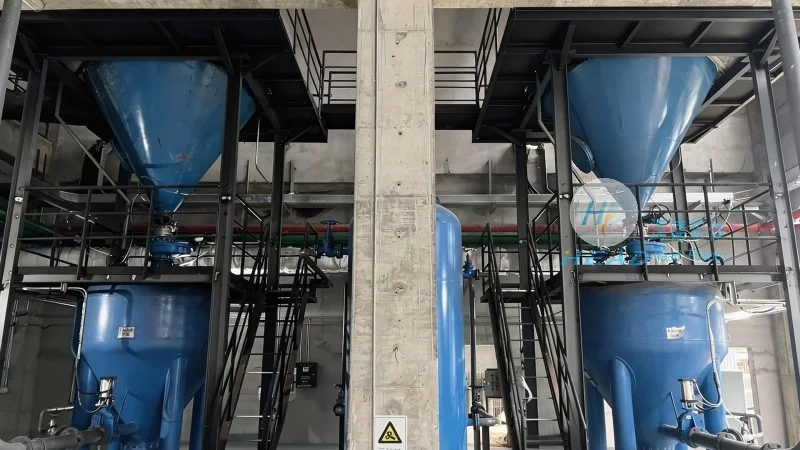
Structural Principles of Pneumatic Conveying for Battery Powders
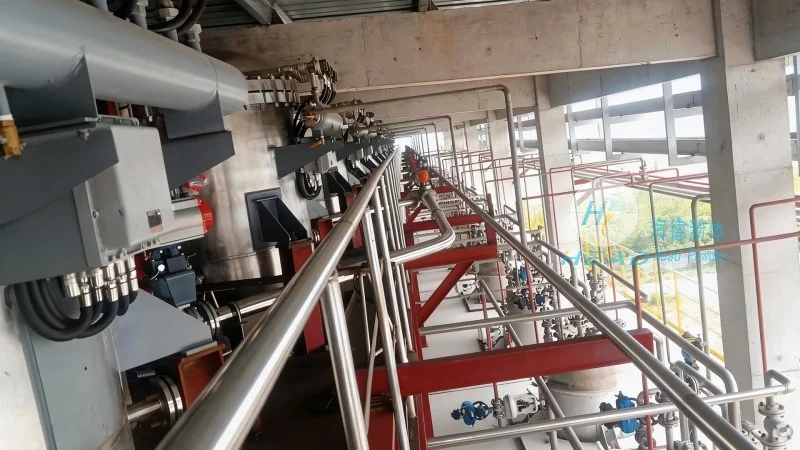
The structural design of a pneumatic conveying system for lithium-ion battery powders is tailored to handle the specific characteristics of these materials. Key components include the hopper or feeder, which ensures a consistent feed rate, and the conveying line, which may be equipped with bends, filters, and pressure regulators to maintain optimal flow. The system's design must account for the powder's particle size, density, and hygroscopic nature to prevent blockages and ensure smooth operation. For example, headpowder, a leading manufacturer in this field, employs advanced materials and engineering solutions to create systems that meet the stringent requirements of battery production facilities.
Operational Considerations and Maintenance
Proper operation and regular maintenance are essential to maximize the efficiency and longevity of pneumatic conveying systems for lithium-ion battery powders. This includes monitoring air pressure, checking for leaks, and cleaning the system to prevent powder buildup. The use of high-quality filters and seals is crucial to maintain the purity of the powder and prevent contamination from external sources. Additionally, the system's design should allow for easy access to components for inspection and repair, ensuring minimal downtime during production.
About Shandong HeadPowder Engineering Co., Ltd.
Shandong HeadPowder Engineering Co., Ltd., operating under the brand name headpowder, is a specialized company dedicated to the design, manufacturing, and installation of pneumatic conveying systems for various industrial applications, including the battery industry. With a focus on innovation and customer satisfaction, headpowder provides tailored solutions that address the unique challenges of handling lithium-ion battery powders. The company's headquarters is located in Shandong, China, where it leverages local expertise and resources to deliver high-quality products and services to clients worldwide.