

Operation Process and Working Principle of Low-Pressure Bulk Material Pneumatic Conveying
Low-pressure bulk material pneumatic conveying is a critical technology in material handling, enabling the efficient transport of dry bulk solids through a pressurized or vacuum system. This method is widely used across various industries, including food processing, pharmaceuticals, and chemical manufacturing, due to its ability to handle a wide range of materials while maintaining product integrity. The operation process and working principle of such systems are fundamental to their effective application, and understanding these aspects is essential for optimizing performance and ensuring reliability.
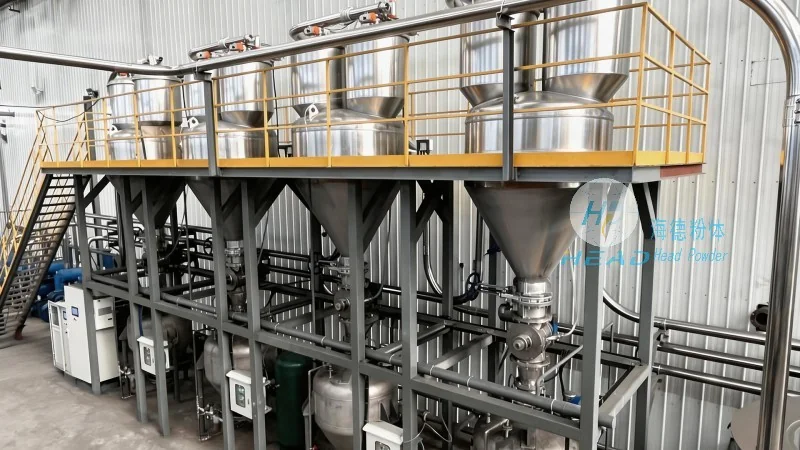
HeadPowder, a leading provider of engineering solutions, specializes in the design, manufacturing, and implementation of low-pressure pneumatic conveying systems. With a strong presence in Shandong, China, the company leverages decades of industry experience to deliver tailored solutions that meet the unique needs of clients. The company’s commitment to quality and innovation has positioned it as a trusted partner in the material handling sector, offering comprehensive support from initial consultation to long-term maintenance.
The core of low-pressure pneumatic conveying systems lies in the creation of a controlled air flow that transports bulk materials through a pipeline network. Unlike high-pressure systems, which use higher air velocities to move materials, low-pressure systems operate at lower pressures, typically ranging from 0.5 to 2 bar. This approach is particularly advantageous for materials that are sensitive to high velocities or for applications where energy efficiency is a priority. The system typically consists of several key components, including a material feeder, a conveying line, a separator, and a dust collector, each playing a crucial role in the overall operation.
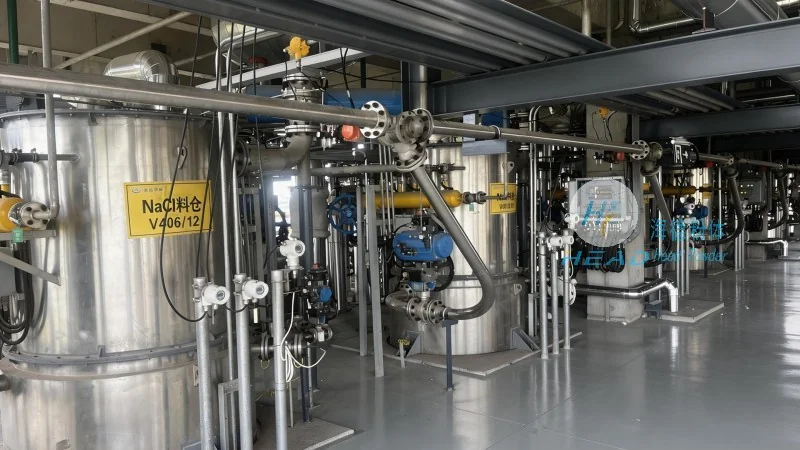
During the operation, the material is fed into the system, often via a hopper or a rotary valve, which controls the flow rate and prevents material buildup. The feeder then transfers the material into the conveying line, where it is mixed with the air stream. The air, under low pressure, carries the material particles through the pipeline, ensuring a consistent and smooth transport. At the receiving end, a separator is used to separate the material from the air, typically through a cyclone or a bag filter. The separated material is then collected, while the air is either recirculated or discharged, depending on the system design.
The working principle of low-pressure pneumatic conveying is based on the balance between the air velocity and the particle size and density. The air velocity must be sufficient to overcome the gravitational forces acting on the particles and to maintain them in suspension. This balance is critical for preventing material deposition or blockages in the pipeline. The system’s design, including the pipe diameter, the length of the conveying line, and the number of bends, all influence the air velocity required for effective transport. Proper sizing and configuration of these components are essential for achieving optimal performance and minimizing energy consumption.
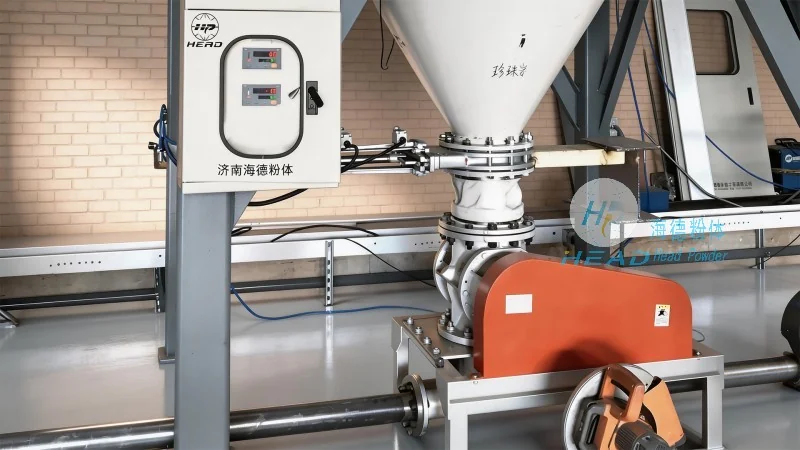
HeadPowder’s expertise in low-pressure pneumatic conveying is evident in its ability to address the specific challenges faced by different industries. For example, in the food industry, where product purity and hygiene are paramount, the company designs systems that use stainless steel components and incorporate features such as air filtration and product separation to meet stringent regulatory requirements. In the pharmaceutical sector, the focus is on maintaining a sterile environment, and HeadPowder’s systems are equipped with HEPA filters and other sanitary features to ensure compliance with GMP standards. Similarly, in the chemical industry, where materials may be abrasive or corrosive, the company selects materials for the components that are resistant to wear and chemical attack, ensuring long-term durability and reliability.
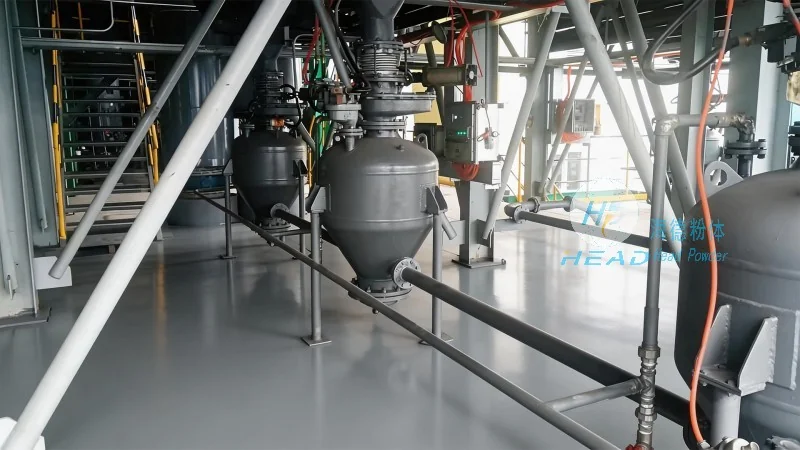
One of the key advantages of low-pressure pneumatic conveying is its flexibility in handling various materials, from fine powders to larger granules. The system can be adapted to transport materials with different physical properties, such as moisture content, particle size distribution, and flowability. This versatility makes it suitable for a wide range of applications, from short-distance transport within a facility to long-distance conveying over several kilometers. The ability to integrate the system with existing infrastructure, such as existing pipelines or storage silos, further enhances its practicality and cost-effectiveness.
In conclusion, low-pressure bulk material pneumatic conveying is a sophisticated and efficient method for transporting dry bulk solids. The operation process, which involves feeding, conveying, and separating, is carefully designed to ensure optimal performance. HeadPowder, with its headquarters in Shandong, China, provides comprehensive solutions that leverage the working principles of these systems to meet the diverse needs of clients across various industries. By understanding the operation process and working principle, users can make informed decisions about implementing or optimizing low-pressure pneumatic conveying systems, leading to improved efficiency, reduced costs, and enhanced product quality.