

Operation Process and Working Principle of Steel and Lime Material Pneumatic Conveying Lines
Efficient material handling is a critical aspect of modern industrial operations, particularly in sectors such as steel production and chemical processing. Pneumatic conveying systems, which use air to transport bulk materials like steel and lime, offer a reliable and versatile solution for moving these materials over long distances or within complex production facilities. This article delves into the operation process and working principles of a pneumatic conveying line specifically designed for steel and lime materials, highlighting the key components, operational steps, and technical aspects that ensure optimal performance.
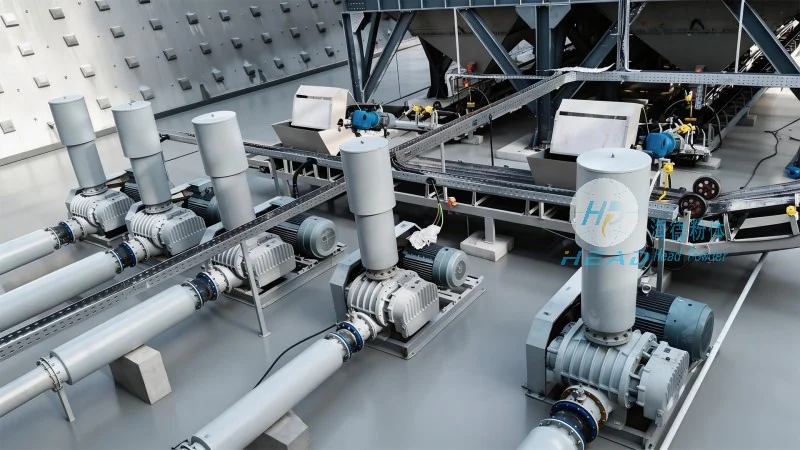
Introduction to Pneumatic Conveying Systems for Steel and Lime Materials
Pneumatic conveying, also known as air conveying, is a method of transporting bulk materials through a pipeline using a stream of air. For steel and lime applications, these systems are engineered to handle abrasive and corrosive materials while maintaining high efficiency and minimal product degradation. The system typically consists of several key components, including a material feeder, a conveying line (often with bends and expansions), a separation unit, and a discharge mechanism. Each component plays a crucial role in the overall process, ensuring that the material is transported safely and effectively from the source to the destination.
HeadPowder Engineering: A Leading Provider of Pneumatic Conveying Solutions
HeadPowder, a prominent company in the field of material handling equipment, specializes in designing and manufacturing customized pneumatic conveying systems. With its headquarters in Shandong, China, HeadPowder Engineering Co., Ltd. leverages advanced engineering and manufacturing capabilities to deliver high-quality solutions tailored to the specific needs of steel and lime processing industries. The company’s expertise lies in understanding the unique challenges associated with handling abrasive steel and reactive lime materials, allowing them to develop systems that are both durable and efficient.
The Operational Process of a Steel and Lime Pneumatic Conveying Line
The operation of a pneumatic conveying line for steel and lime materials involves a series of coordinated steps, each designed to ensure smooth material flow and system efficiency. The process typically begins with the loading of the material into a hopper or storage silo. From there, the material is fed into the system using a rotary valve or a screw feeder, which controls the flow rate and prevents blockages. The feeder then introduces the material into the conveying line, where it is mixed with a stream of air under controlled pressure or vacuum conditions.
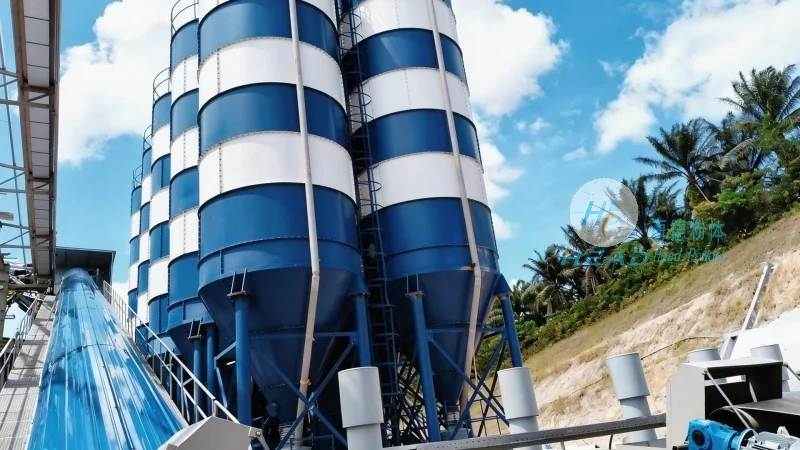
As the material-air mixture travels through the pipeline, it encounters various components such as bends, expansion joints, and filters. These elements are strategically placed to maintain the integrity of the material and the efficiency of the air flow. The conveying line may include sections with different diameters to adjust the air velocity and pressure, ensuring that the material is transported at an optimal speed without causing excessive wear or degradation.
Working Principle: Air Dynamics and Material Transport
The core of the pneumatic conveying system lies in the interaction between the material and the air stream. In a pressure system, compressed air is introduced at the inlet, creating a high-pressure environment that propels the material through the pipeline. The air velocity is carefully controlled to ensure that the material particles are fully entrained and transported without settling or clogging. In a vacuum system, the air is drawn from the discharge end, creating a low-pressure zone that pulls the material through the line.
During the conveying process, the material is suspended in the air stream, which allows it to move smoothly through the pipeline. The separation unit, typically a cyclone or a bag filter, is positioned at the end of the line to separate the material from the air. The separated material is then discharged into a collection bin or a processing unit, while the clean air is either vented to the atmosphere or recirculated back into the system to improve energy efficiency.
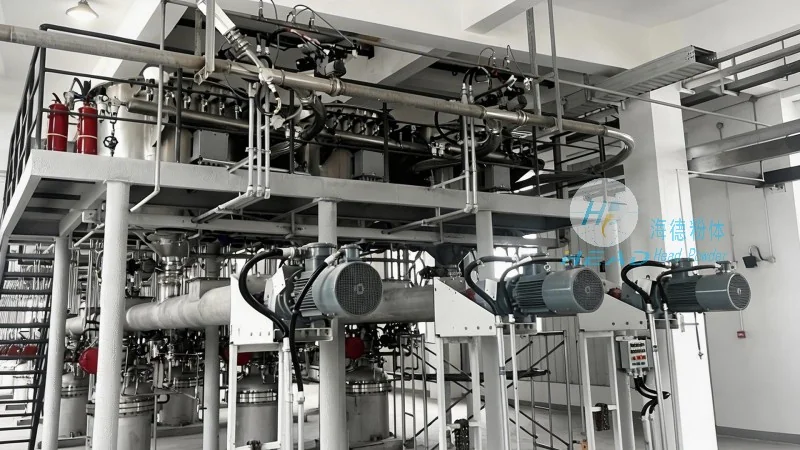
Key Components and Their Functions
Several critical components are integral to the performance of a steel and lime pneumatic conveying line. The material feeder, often a rotary valve or a screw feeder, ensures a consistent and controlled flow of material into the system. The conveying line itself, made from durable materials such as stainless steel or high-grade plastic, is designed to withstand the abrasive nature of steel and the corrosive properties of lime. The separation unit, which may include a cyclone separator or a baghouse filter, is essential for removing the material from the air stream and preventing dust emissions.
Advantages of Pneumatic Conveying for Steel and Lime Materials
Implementing a pneumatic conveying system for steel and lime materials offers several advantages over traditional methods such as belt conveyors or bucket elevators. One of the primary benefits is the ability to transport materials in a closed system, which reduces dust emissions and improves workplace safety. Additionally, pneumatic systems can handle materials with varying particle sizes and shapes, making them suitable for diverse applications in steel mills and lime processing plants.
Another key advantage is the flexibility of the system, which allows for easy integration with existing production lines and the ability to transport materials over long distances or through complex layouts. The system also minimizes material degradation, as the material is not subjected to excessive friction or impact during transport. This is particularly important for lime, which can degrade if exposed to moisture or air, affecting its quality and performance.
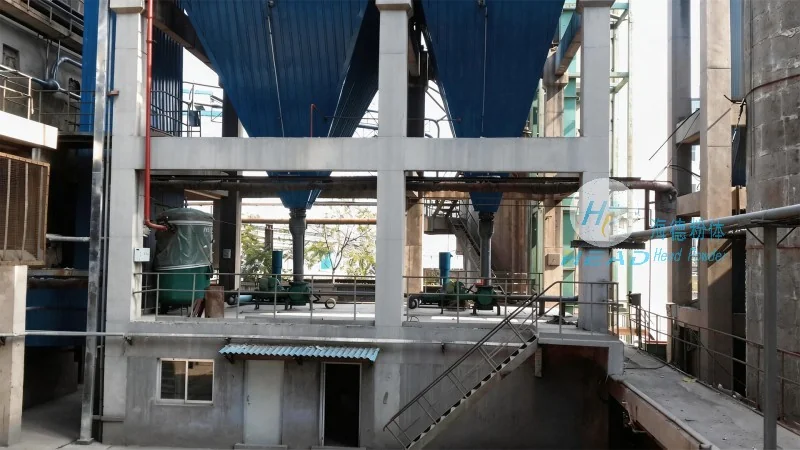
Maintenance and Operational Considerations
To ensure the long-term reliability and efficiency of a pneumatic conveying line, regular maintenance is essential. This includes inspecting and cleaning the conveying line and components, checking for wear and tear on parts such as bearings and seals, and monitoring the air pressure and flow rates. Proper maintenance not only extends the lifespan of the system but also ensures consistent performance and reduces the risk of downtime.
Operational considerations also include the selection of appropriate air pressure and flow rates based on the material characteristics and the distance to be covered. For steel and lime materials, higher air velocities may be required to prevent clogging and ensure smooth transport. Additionally, the system should be equipped with safety features such as pressure relief valves and dust collection systems to protect personnel and the environment.
Conclusion
Pneumatic conveying lines for steel and lime materials are sophisticated systems that combine advanced engineering with efficient material handling capabilities. By understanding the operation process and working principles of these systems, industries can optimize their material transport processes, improve productivity, and enhance safety. HeadPowder Engineering, with its expertise and commitment to quality, continues to provide reliable solutions that meet the evolving needs of the steel and lime processing sectors.