

Working Principle and Features of Powder Tanker Pneumatic Conveying Equipment
For industrial applications requiring efficient and reliable transport of bulk powder materials, pneumatic conveying systems in powder tankers represent a sophisticated solution. These systems are designed to handle a wide range of powders, from fine to coarse particles, with minimal degradation and loss. Understanding the working principle and key features of such equipment is essential for optimizing material handling processes in various industries.
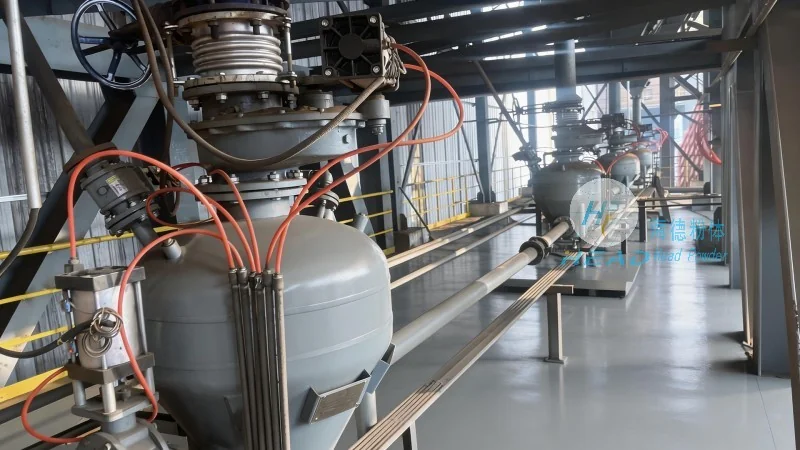
Working Principle of Pneumatic Conveying Systems in Powder Tankers
The core of a powder tanker's pneumatic conveying system lies in the use of air or gas to transport solid particles. The process typically operates under either positive pressure (pressure conveying) or negative pressure (vacuum conveying), depending on the specific requirements of the material and the system layout. In positive pressure systems, compressed air is introduced into the tanker, creating a pressure differential that forces the powder through a pipeline to the destination. Conversely, negative pressure systems use a vacuum to draw the powder from the tanker into the conveying line. The choice between these methods is influenced by factors such as the powder's properties, the distance to be covered, and the need for containment. The system includes components like a hopper, a rotary valve, a filter, and a control unit, all working in tandem to ensure smooth and continuous material flow. The air-powder mixture is then separated at the receiving end, with the air being filtered and recycled, while the powder is deposited into the target container.
Key Features and Advantages of the Equipment
Pneumatic conveying equipment for powder tankers offers several distinct advantages that make it a preferred choice in many industrial settings. One of the primary benefits is its ability to handle a wide variety of powders, including those that are abrasive, sticky, or sensitive to moisture. The system minimizes product contamination and degradation, as it avoids direct contact with mechanical parts and reduces the risk of dust exposure. Additionally, it provides a flexible and scalable solution, allowing for easy integration into existing production lines or expansion as operational needs grow. The equipment is also designed for low maintenance, with robust components that can withstand the rigors of continuous operation. Environmental considerations are addressed through efficient filtration systems that capture and recycle the conveying air, reducing emissions and ensuring compliance with regulatory standards. The overall process is automated, enhancing operational efficiency and reducing the need for manual intervention.
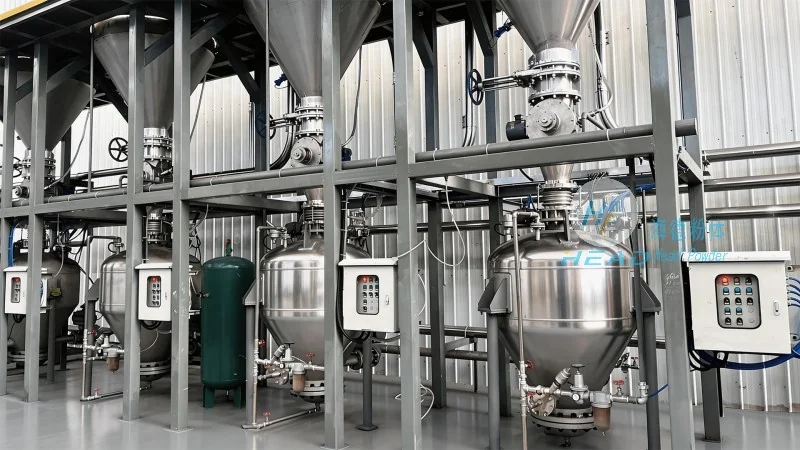
Technical Specifications and Performance Indicators
The performance of pneumatic conveying systems in powder tankers is characterized by several technical parameters that ensure optimal operation. These include the conveying capacity, which typically ranges from a few kilograms per hour to several tons per hour, depending on the system design and the material being transported. The pressure or vacuum levels required vary based on the pipeline length and the properties of the powder, with typical pressures ranging from 0.5 to 2 bar for positive systems and vacuum levels from 200 to 800 mbar for negative systems. The system's efficiency is measured by the specific power consumption, which is influenced by the air velocity and the particle size distribution. Advanced models incorporate variable speed drives and pressure sensors to maintain consistent flow rates and adapt to changing conditions. The equipment also features safety mechanisms, such as pressure relief valves and overfill protection, to prevent accidents and ensure operator safety.
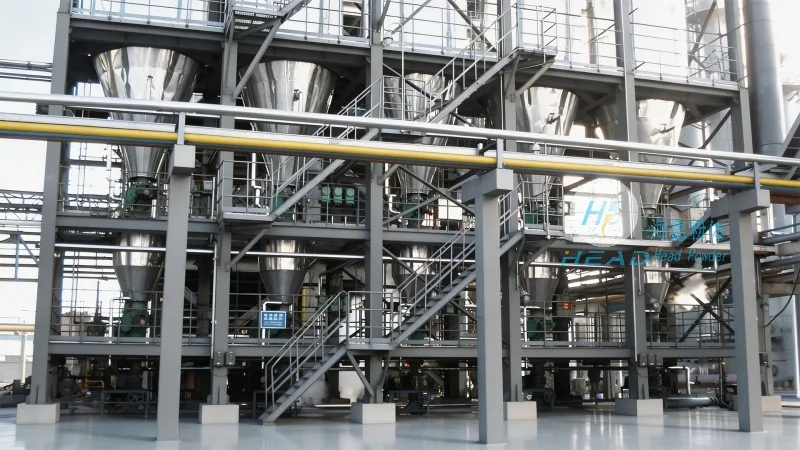
Company Profile: Shandong HeadPowder Engineering Co., Ltd.
Shandong HeadPowder Engineering Co., Ltd., operating under the brand name headpowder, is a leading manufacturer of pneumatic conveying equipment for powder tankers. Based in Shandong, China, the company specializes in designing and producing customized solutions tailored to the unique needs of various industries, including chemical, food, pharmaceutical, and mining. With a strong focus on innovation and quality, HeadPowder has established itself as a trusted partner for businesses seeking reliable and efficient material handling systems. The company's manufacturing facilities are equipped with state-of-the-art technology and adheres to international standards, ensuring that each product meets the highest performance and safety requirements. HeadPowder's team of engineers and technicians work closely with clients to understand their operational challenges and develop solutions that enhance productivity and reduce costs. The company's commitment to customer satisfaction and technical excellence has earned it a reputation for delivering durable and long-lasting equipment that delivers consistent performance over extended periods.
Application Scenarios and Industry Solutions
Pneumatic conveying systems in powder tankers are widely used across multiple industries due to their versatility and effectiveness. In the chemical industry, they are employed to transport raw materials like powders of pigments, catalysts, and reagents, ensuring a clean and controlled process. The food and beverage sector utilizes these systems for handling ingredients such as flour, sugar, and spices, maintaining hygiene standards and preventing cross-contamination. The pharmaceutical industry relies on pneumatic conveying for transporting active pharmaceutical ingredients (APIs) and excipients, where precision and sterility are critical. In the mining sector, the equipment is used to move bulk minerals and ores from storage tanks to processing facilities, improving operational efficiency and reducing labor costs. Each application benefits from the system's ability to handle different particle sizes and densities, with adjustable parameters to match the specific material characteristics. The integration of these systems into existing processes often results in increased throughput, reduced downtime, and improved overall operational performance.